ZZ Plant: The Plant That Thrives on Being Ignored
The glossy, slow-growing plant that thrives on being ignored. It tolerates low light and weeks without water thanks to its water-storing rhizomes; overwatering is the only real risk.
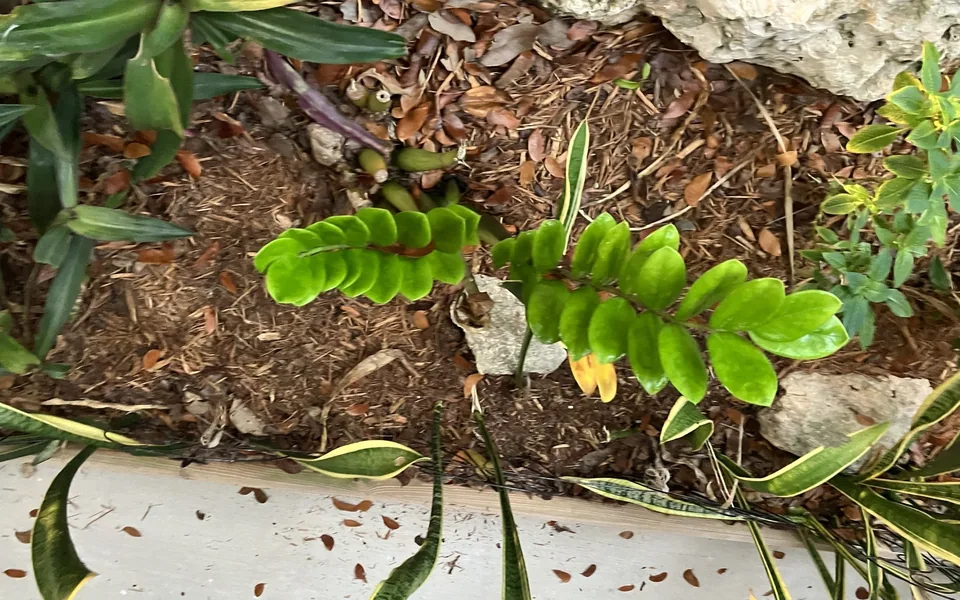
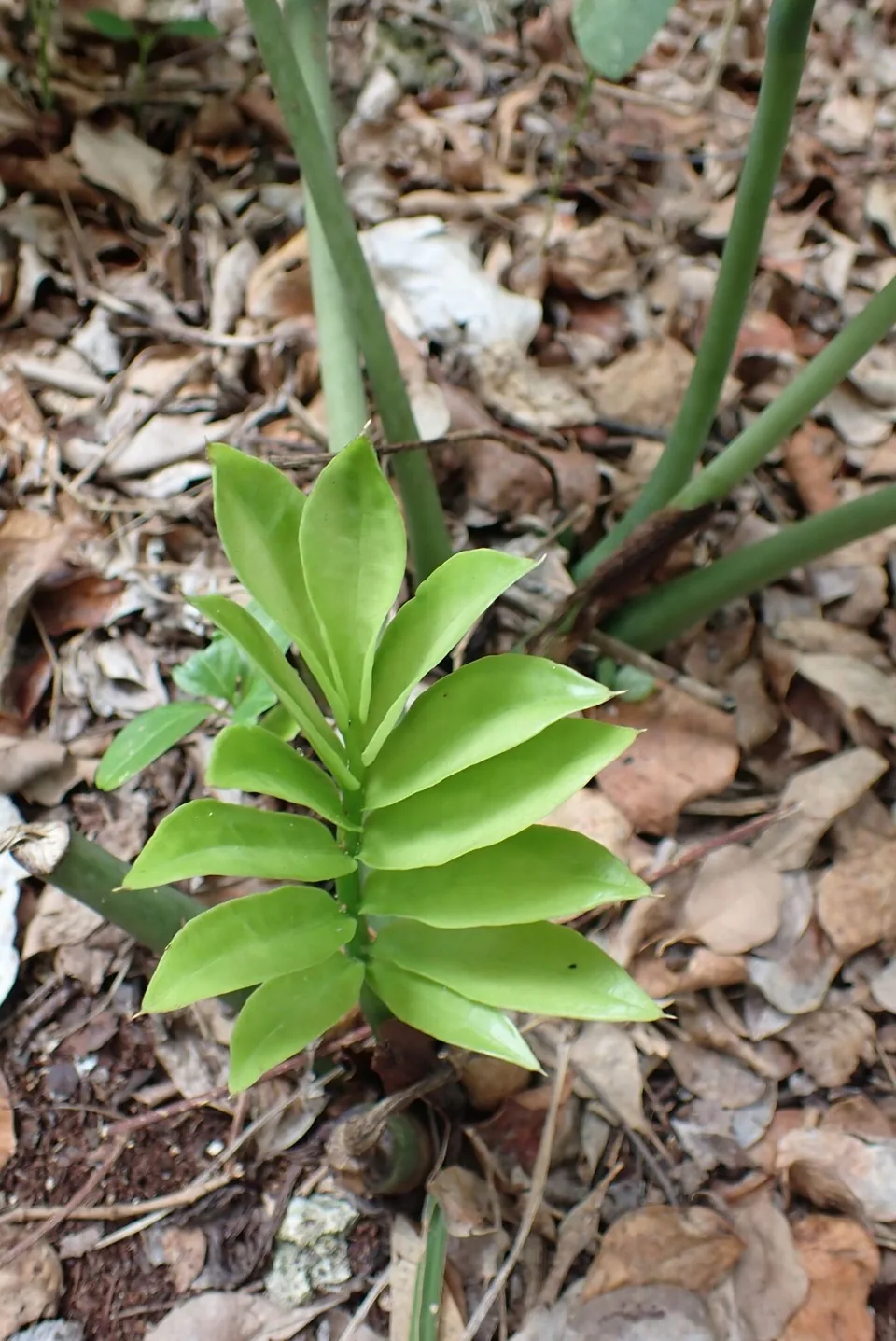
The ZZ plant (Zamioculcas zamiifolia) has glossy, dark green, almost plastic-looking leaflets on arching stems that grow from fat, potato-like rhizomes underground. Those rhizomes store water, which is why the ZZ can go weeks without a drink and still look freshly polished. It tolerates low light, dry air, and forgetful owners, and it grows so slowly you’ll rarely need to repot. The “Raven” variety has near-black leaves for extra drama.
Where to put it (light)
Bright, indirect light for the fastest growth, but it’s famous for tolerating low light and fluorescent-only rooms. Direct sun scorches the leaves.
Temperature
65–80°F (18–27°C). Keep it above 45°F (7°C). It doesn’t mind dry heat but dislikes cold drafts.
Watering
Let the soil dry out completely between waterings. Every 2–3 weeks in summer, monthly or less in winter. Overwatering is the one thing that reliably kills it; yellowing stems and mushy rhizomes are the warning signs. Seriously, less is more.
Feeding
Once or twice in spring/summer with a balanced fertilizer at half strength. It barely needs it.
Soil
A well-draining potting mix cut with perlite, or cactus mix. Drainage hole essential.
Humidity
Low to average. Dry air is fine.
Common pests
Mealybugs, aphids, scale, and fungus gnats (if overwatered). Nearly pest-proof. Wipe the glossy leaves to keep them shiny.
Propagation
Difficulty: Easy, but slow. Division of rhizomes (fastest) or leaflet cuttings: push a leaflet base into moist soil and wait 2–3 months for a tiny rhizome and roots to form. Stem cuttings in water also work but are slow.
Also worth knowing
Toxicity: toxic to cats, dogs, and people if chewed. Mature size: 2–3 ft (60–90 cm). Repot every 2–3 years, or when the rhizomes bulge the pot. Wipe leaves; it grows so slowly that dust matters.
Propagate by division or by rooting a single leaflet in soil (it’s slow but it works). Toxic to pets and people if chewed, so keep it where curious mouths can’t reach.