Pachira Aquatica: The Braided Money Tree (Results May Vary)
The braided-trunk 'money tree' that is pet-safe, fast-growing, and forgiving. Bright indirect light and watering when the top two inches are dry keep it from dropping leaves.
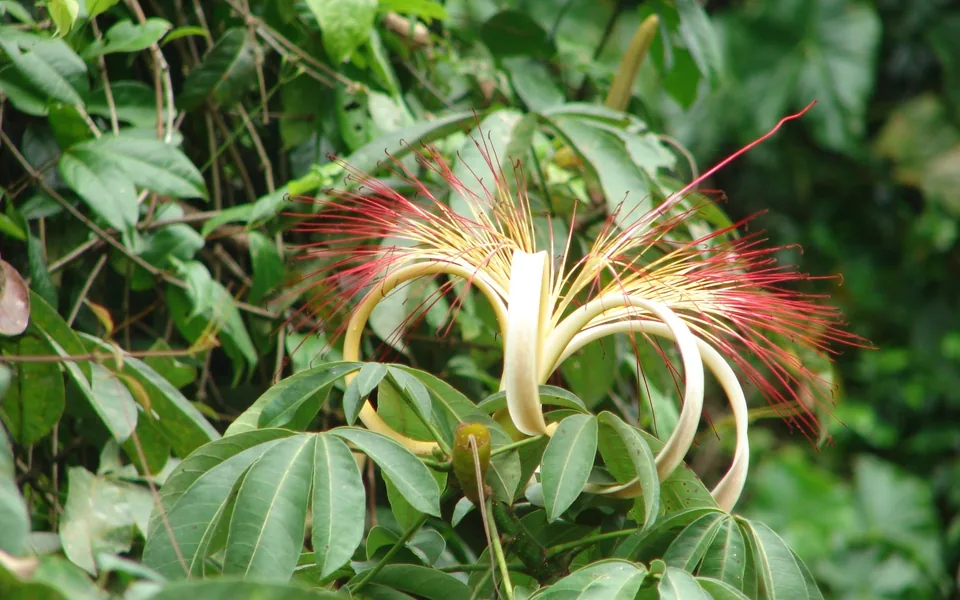
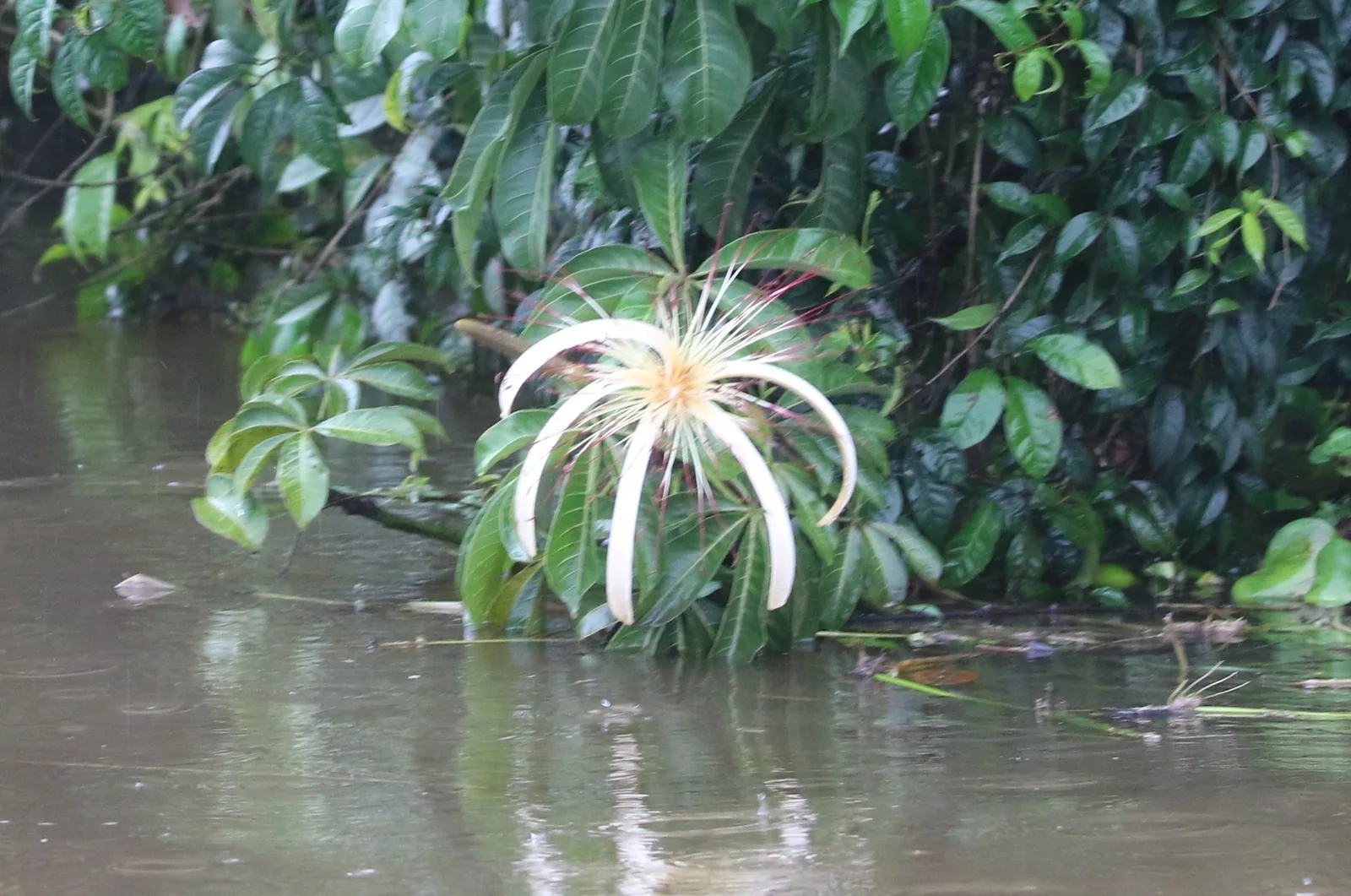
Pachira aquatica, sold everywhere as the “money tree,” has a braided trunk (done by growers, not nature) topped with glossy, hand-shaped leaves of five to seven leaflets. Feng shui fans say it attracts wealth. We can’t promise that, but we can promise a forgiving, fast-growing, pet-safe plant that adapts to most homes and looks like a tiny tropical tree. In the wild it grows in swamps and reaches 60 feet (18 m); indoors it stays a polite 3–6 feet (1–2 m).
Where to put it (light)
Bright, indirect light. It tolerates medium light with slower growth. Direct sun scorches the leaves. Rotate it regularly; it leans toward the window like it’s trying to leave.
Temperature
65–80°F (18–27°C). Keep above 55°F (13°C). It drops leaves in response to cold drafts, sudden temperature swings, or being moved around a lot.
Watering
Water thoroughly when the top 2 inches of soil are dry, roughly every 1–2 weeks. Despite growing in swamps, indoors it’s prone to root rot in soggy pots. Yellow, dropping leaves usually mean too much water.
Feeding
Monthly in spring and summer with a balanced liquid fertilizer at half strength. None in winter.
Soil
A well-draining potting mix with perlite or sand. Use a pot with drainage; don’t let it sit in a decorative cachepot full of water.
Humidity
50%+ is preferred, but it tolerates average homes. A pebble tray helps prevent brown tips.
Common pests
Spider mites, mealybugs, scale, and aphids. Fungus gnats in wet soil. Wipe leaves regularly and inspect the braid where pests like to hide.
Propagation
Difficulty: Easy. Stem cuttings. Take a 4–6 in (10–15 cm) cutting with a few leaf nodes, remove lower leaves, and root in water or moist soil. Roots in 3–4 weeks. Seeds also germinate readily if you can find them.
Also worth knowing
Toxicity: non-toxic to cats and dogs. Mature size: 3–6 ft (1–2 m) indoors. Repot every 2–3 years. Prune above a leaf node to keep it compact; new braids can’t be formed on woody trunks.
Non-toxic to cats and dogs. Leaf drop after bringing it home is normal; give it a few weeks to settle before you panic.