Pothos: The Plant We Already Told You to Buy
The indestructible gateway houseplant: trails, climbs, grows in water, and survives low light and neglect. Water when dry, hang it out of pets' reach, and enjoy.
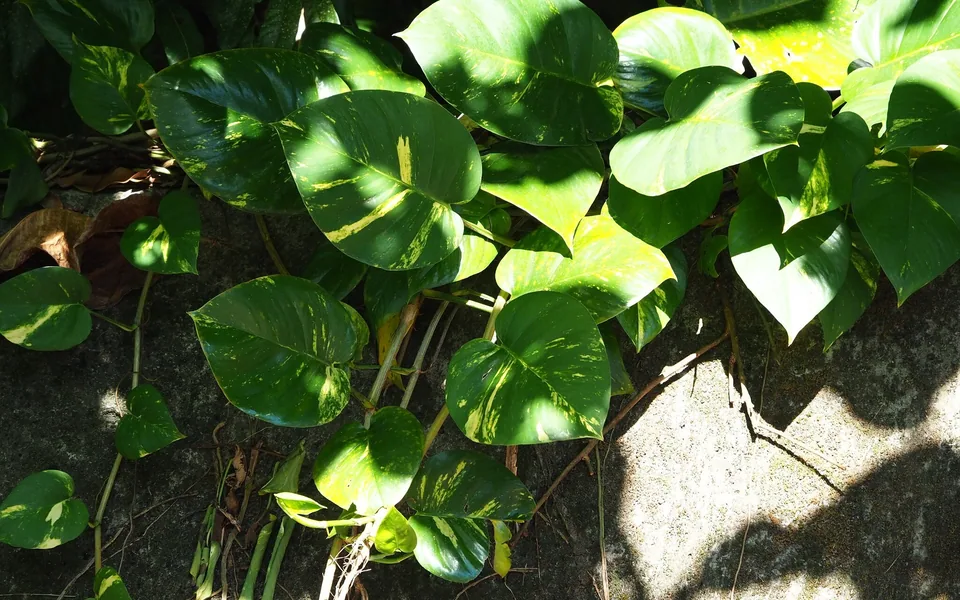
We ended our intro post by telling you to go get a Pothos (Epipremnum aureum), and we stand by it. Golden Pothos, Marble Queen, Neon, Jade, Manjula, Pearls and Jade: there’s a variety for every taste, and all of them are close to indestructible. It trails, it climbs, it grows in water, it survives fluorescent office lighting, and it’s on the NASA clean-air list. It’s the gateway plant, and there’s no shame in that.
Where to put it (light)
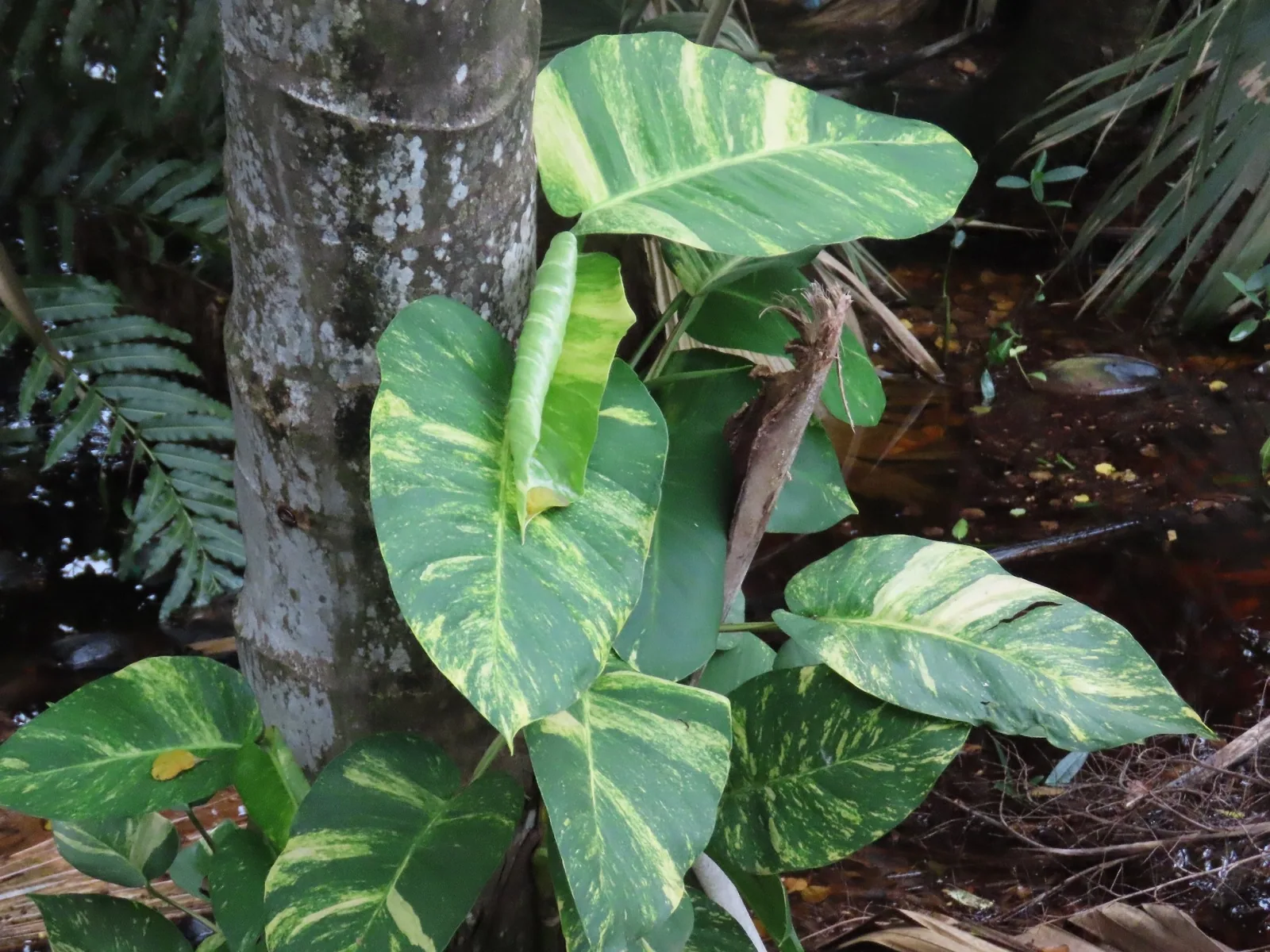
Medium to bright, indirect light is ideal, but it tolerates low light better than nearly anything with leaves. Variegated types (Marble Queen, Manjula) need brighter light to hold their patterns; Golden and Jade handle dim corners. Direct sun scorches.
Temperature
65–85°F (18–29°C). Tolerates down to about 50°F (10°C) but won’t grow. Keep it out of cold drafts.
Watering
Water when the top 2 inches of soil are dry. It would rather be too dry than too wet. Drooping and slightly curled leaves say “water me”; yellow leaves and mushy stems say “stop.”
Feeding
Monthly in spring and summer with a balanced liquid fertilizer at half strength. It’s fine with none at all, honestly.
Soil
Any well-draining potting mix. Add perlite if you tend to overwater. It also grows indefinitely in a jar of water; just change the water every couple of weeks.
Humidity
Average household humidity is fine. Higher humidity = faster growth, but it’s not required.
Common pests
Mealybugs, scale, spider mites, and fungus gnats (if kept too wet). Generally pest-resistant. Wipe the leaves occasionally.
Propagation
Difficulty: Very easy. Stem cuttings with a node. Cut below a node, place in water, and roots form in 1–2 weeks. Pot up or leave it in water permanently.
Also worth knowing
Toxicity: toxic to cats and dogs if chewed. Mature size: vines 6–10 ft (2–3 m) indoors. Repot every 1–2 years. Prune bare vines back hard; they regrow from the nodes.
Snip a vine below a node, put it in water, and in two weeks you’ll have roots. Toxic to pets if chewed, so hang it out of reach and enjoy the easiest win in houseplant history.