Snake Plant: The Plant You Cannot Kill (We've Tried)
The nearly unkillable upright plant that tolerates low light, dry air, and weeks without water. Let the soil dry completely; that is the entire care guide.
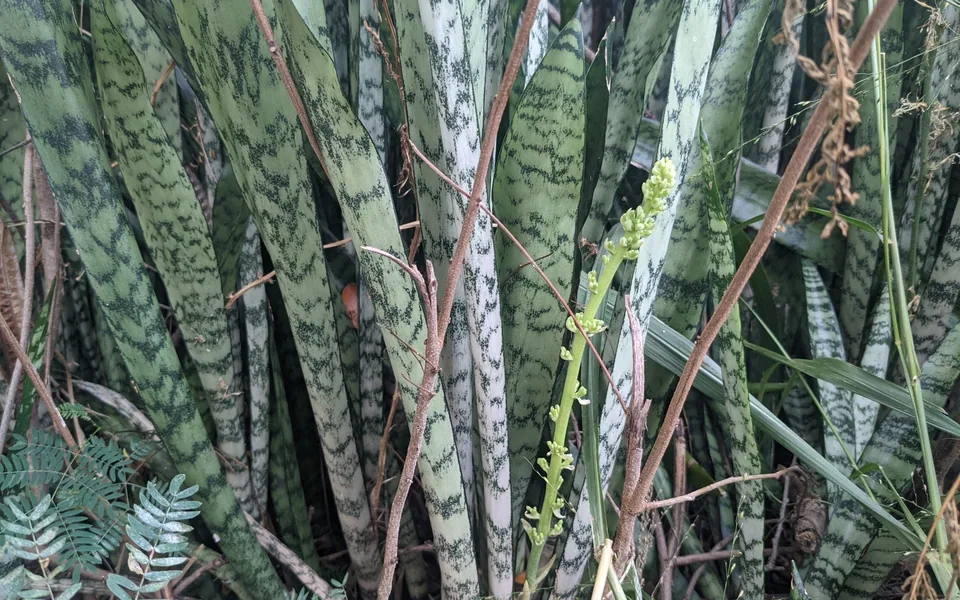
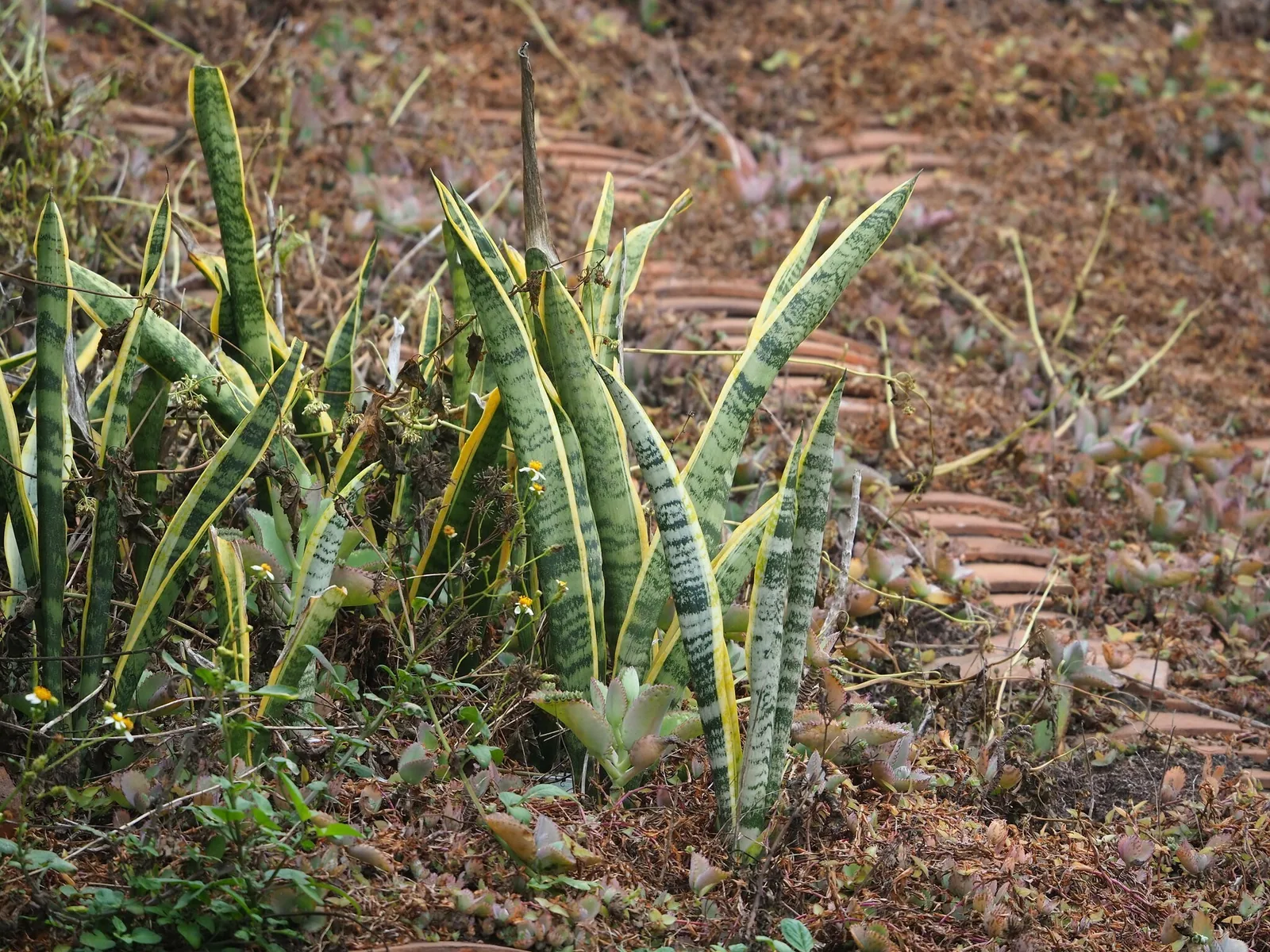
The snake plant (Dracaena trifasciata, formerly Sansevieria, also called mother-in-law’s tongue) has stiff, upright, sword-shaped leaves banded in green and often edged in yellow. It survives low light, drought, neglect, and dark hotel lobbies. It’s on the NASA clean-air list and famously releases oxygen at night, so it’s a favorite for bedrooms. If you have killed every plant you’ve ever owned, start here.
Where to put it (light)
Bright, indirect light for best growth, but it tolerates everything from low light to some direct sun. It grows slowly in dim rooms but stays healthy. The only thing it dislikes is being blasted by hot afternoon sun through a window.
Temperature
60–85°F (16–29°C). Keep above 50°F (10°C). Cold, wet soil is the one combination that kills it.
Watering
Let the soil dry out completely between waterings. Every 2–4 weeks in summer, once a month or less in winter. Overwatering is the only common way to kill it: mushy, yellowing leaves at the base mean root rot. When in doubt, don’t.
Feeding
Once or twice in spring/summer with a balanced or succulent fertilizer at half strength. It genuinely doesn’t need much.
Soil
Cactus/succulent mix or regular potting mix cut with plenty of perlite. Drainage hole essential.
Humidity
Low to average. It’s a dry-air lover.
Common pests
Mealybugs and spider mites occasionally, fungus gnats if overwatered. Otherwise nearly pest-proof. Wipe the leaves now and then.
Propagation
Difficulty: Easy. Division (keeps variegation) or leaf cuttings. For cuttings, cut a leaf into 3–4 in (8–10 cm) sections, mark which end was down, let dry a day, and plant that end in soil. Roots in 1–2 months.
Also worth knowing
Toxicity: mildly toxic to cats and dogs if chewed. Mature size: 1–4 ft (30–120 cm). Repot every 2–3 years, or when the rhizomes crack the pot. Dust the leaves occasionally.
Divide it when it fills the pot, or root leaf cuttings in soil (variegated types lose their yellow edge when propagated from leaves; divide instead). Mildly toxic to pets if chewed.