English Ivy: Charming Indoors, a Menace Outdoors
A classic trailing vine that prefers cooler rooms, bright indirect light, and higher humidity. Spider mites are its nemesis in warm, dry air; regular showers help.
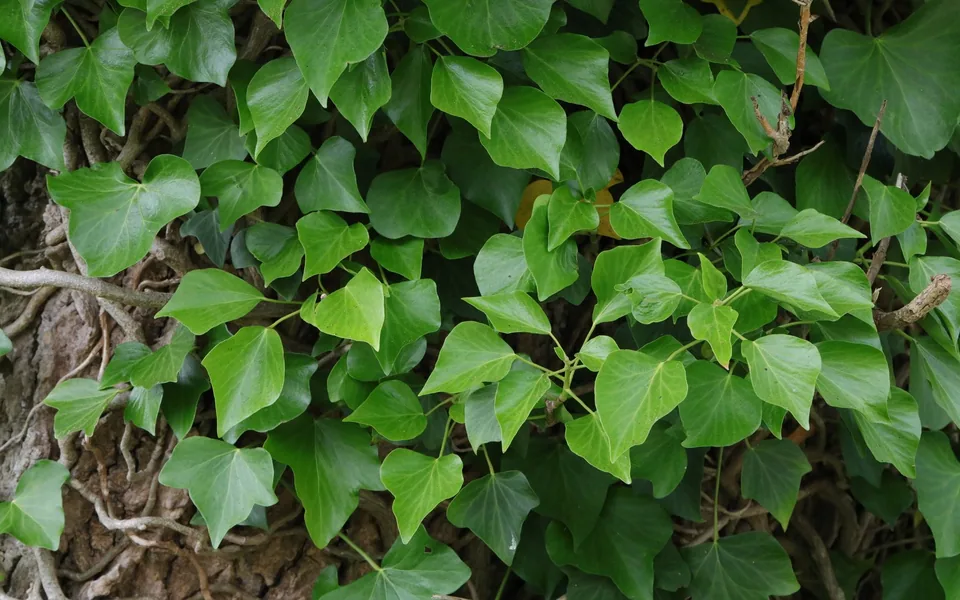
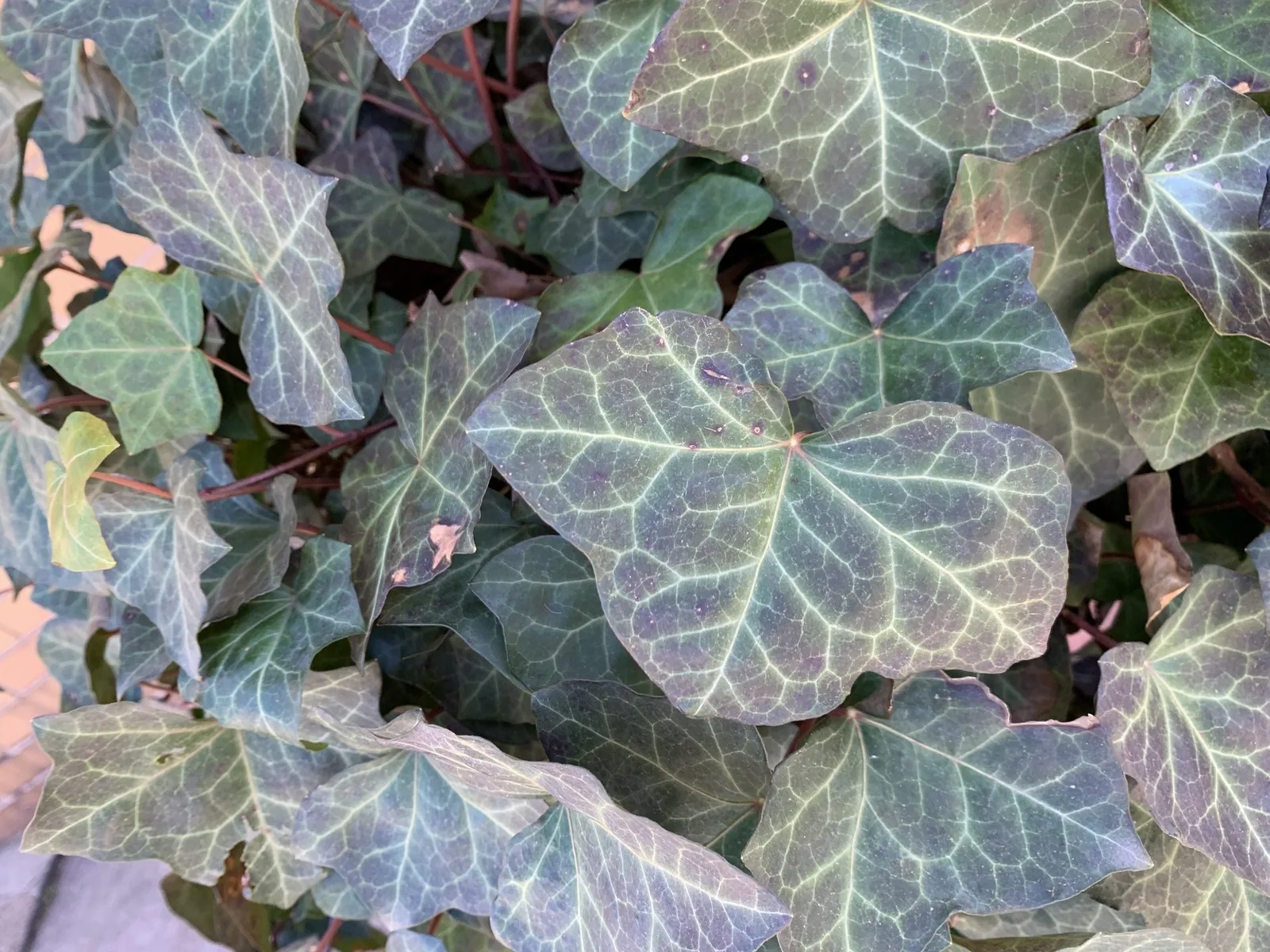
English ivy (Hedera helix) is the classic trailing vine of cottages and castles, with lobed leaves in solid green or splashed with cream and gold. It’s an aggressive invasive species outdoors in much of North America (please don’t plant it in the garden), but in a pot on your shelf it’s a well-behaved, air-cleaning classic that trails or climbs beautifully. It does have one big quirk: it prefers things cool.
Where to put it (light)
Bright, indirect light. Variegated varieties need more light to hold their color; plain green ones tolerate medium light. Direct hot sun scorches the leaves.
Temperature
Cooler than most houseplants: 50–70°F (10–21°C) is ideal. It tolerates warmer, but hot, dry rooms invite spider mites and leaf drop. Keep it away from heaters.
Watering
Water when the top inch of soil is dry. It likes evenly moist soil but hates wet feet. Wilting and leaf drop can come from either extreme, so check the soil first.
Feeding
Monthly in spring and summer with a balanced liquid fertilizer at half strength. Nothing in winter.
Soil
A well-draining, all-purpose potting mix with some perlite.
Humidity
Moderate to high (50%+) keeps spider mites away and leaves lush. Rinse it in the shower monthly; it loves it.
Common pests
Spider mites are its number one nemesis, especially in warm, dry rooms. Also aphids, scale, mealybugs, and whiteflies. Frequent showers and insecticidal soap are your friends.
Propagation
Difficulty: Very easy. Stem cuttings. Snip 4–6 in (10–15 cm) tips with a few leaves, root in water or moist soil, and roots appear in 2–3 weeks.
Also worth knowing
Toxicity: toxic to cats, dogs, and people if chewed; sap can irritate skin. Mature size: vines trail 3 ft+ (1 m+). Repot every 1–2 years. Never plant it outdoors in areas where it’s invasive.
Toxic to pets and people if chewed, and the sap can irritate skin. Trim it regularly to keep it full, and root the cuttings in water.