Peace Lily: The Drama Queen That Tells You Exactly When It's Thirsty
A low-light champion with elegant white blooms that flops dramatically when thirsty and recovers within hours. Easy, air-cleaning, and toxic to pets.
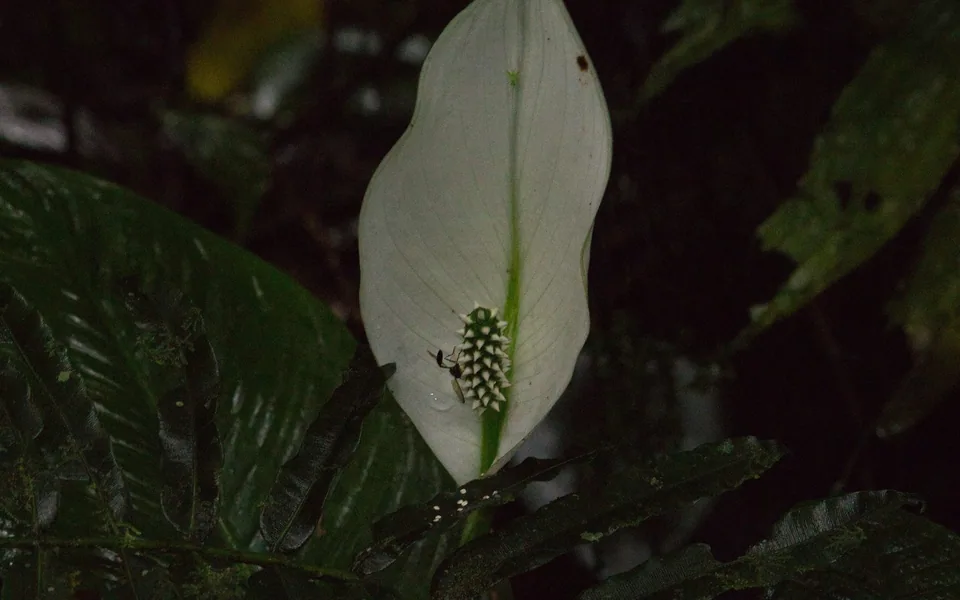
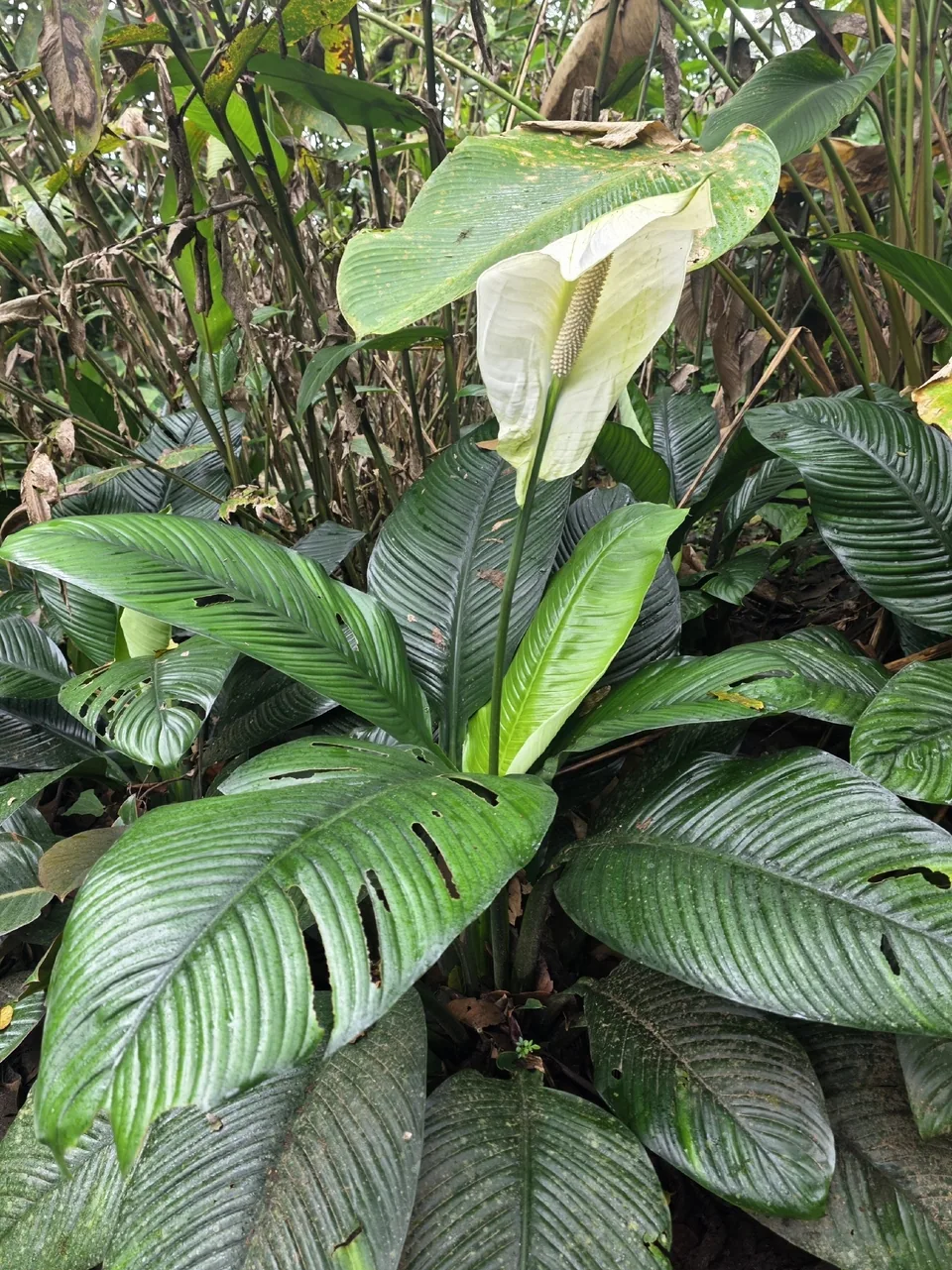
The peace lily (Spathiphyllum) is the most honest plant you’ll ever own. When it needs water, it flops over completely like it’s fainting in a Victorian novel. Give it a drink and within hours it’s standing tall, pretending nothing happened. Add its glossy dark leaves, elegant white “flowers” (spathes), and reputation as an air cleaner, and you have one of the best low-light plants around.
Where to put it (light)
Medium to low, indirect light. It’s one of the few plants that genuinely tolerates darker corners, though it blooms best with bright, indirect light. Direct sun scorches the leaves. A north-facing window or a spot several feet from any window is fine.
Temperature
65–80°F (18–27°C). Below 60°F (16°C) it slows down, and below 45°F (7°C) it can be damaged. Keep it away from cold drafts.
Watering
Water when the top inch of soil is dry, or when it starts to droop slightly (don’t make a habit of letting it fully collapse; it’s stressful for the plant). It likes lightly moist soil. It’s sensitive to chlorine and fluoride, so filtered or distilled water helps avoid brown tips.
Feeding
Every 6–8 weeks in spring and summer with a balanced liquid fertilizer at half strength. Overfeeding causes brown leaf tips and green (instead of white) blooms.
Soil
A rich, well-draining potting mix with some perlite. It doesn’t like to dry out fast, so don’t use cactus mix.
Humidity
50%+ is preferred. It’ll tolerate average homes but rewards higher humidity with fewer brown tips. Group it with other plants or use a pebble tray.
Common pests
Mealybugs, aphids, scale, and spider mites. Fungus gnats if the soil stays wet. Wipe the leaves regularly; dust builds up fast on those big glossy leaves.
Propagation
Difficulty: Easy. Division. Unpot the plant, separate the crowns (each with roots and several leaves), and repot. Best done in spring.
Also worth knowing
Toxicity: toxic to cats and dogs if chewed. Mature size: 1–3 ft (30–90 cm), some varieties larger. Repot every 1–2 years. Cut spent flower stalks at the base.
Note: it’s toxic to cats and dogs if chewed, so keep it up and away if your pets are nibblers.