Parlor Palm: The Palm That's Perfectly Happy Indoors (Unlike Most Palms)
The rare palm that is happy indoors: slow-growing, pet-safe, and tolerant of lower light. It prefers lightly moist soil, filtered water, and a bit of extra humidity.
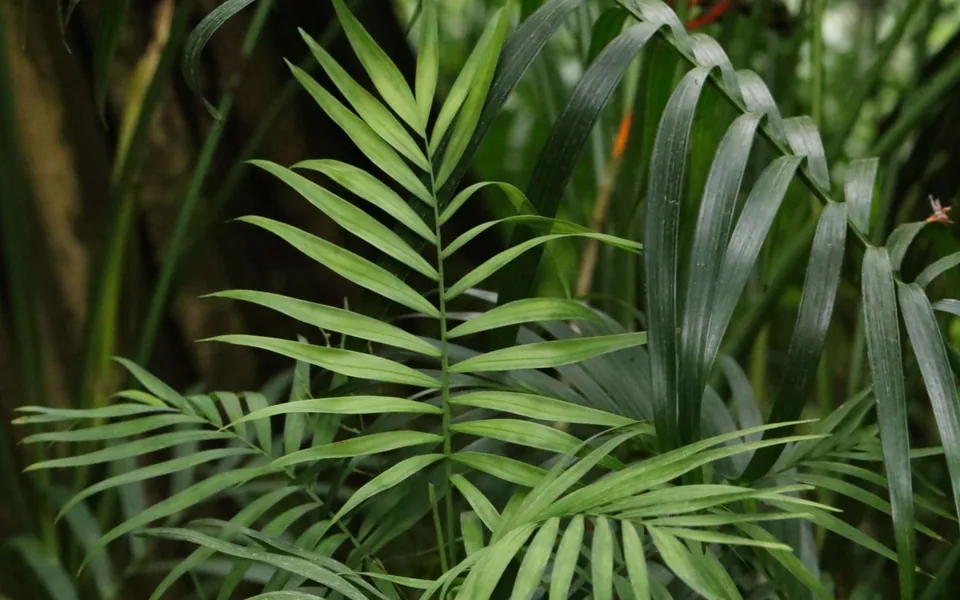
Most palms want to be on a beach. The parlor palm (Chamaedorea elegans) wants to be in your living room, and has since Victorian times. It’s slow-growing, stays compact (2–4 feet / 60–120 cm indoors), tolerates lower light, and is one of the few palms that is non-toxic to cats and dogs. Its feathery fronds bring a tropical vibe without the tropical demands.
Where to put it (light)
Medium to bright, indirect light. A north or east window is ideal. It tolerates low light better than any other palm, though it grows more slowly. Direct sun yellows and scorches the fronds.
Temperature
65–80°F (18–27°C). Keep it above 50°F (10°C). Avoid cold drafts and hot vents.
Watering
Water when the top 1–2 inches of soil are dry. It’s sensitive to overwatering (root rot) but also gets brown tips if it dries out completely. Aim for lightly moist, then let it dry a bit. Use filtered water if brown tips are a problem; it’s fluoride-sensitive.
Feeding
Light feeder. Monthly in spring and summer with a balanced liquid fertilizer at half strength, or a slow-release once in spring. None in winter.
Soil
A well-draining, peat- or coir-based potting mix with perlite. Palms hate compacted soil.
Humidity
Prefers 50% or higher. It survives average homes but develops brown tips in dry air. A pebble tray or humidifier helps, and it’s a great bathroom plant.
Common pests
Spider mites are the most common, especially in dry conditions. Also scale and mealybugs. Rinse the fronds in the shower monthly.
Propagation
Difficulty: Hard. Seeds are the only practical method, and they’re slow (months to germinate). Division of multi-stem clumps is possible but often shocks the plant. Most people just buy another.
Also worth knowing
Toxicity: non-toxic to cats and dogs. Mature size: 2–4 ft (60–120 cm) indoors. Repot every 2–3 years; it prefers to be slightly root-bound. Trim brown tips with scissors, not whole fronds.
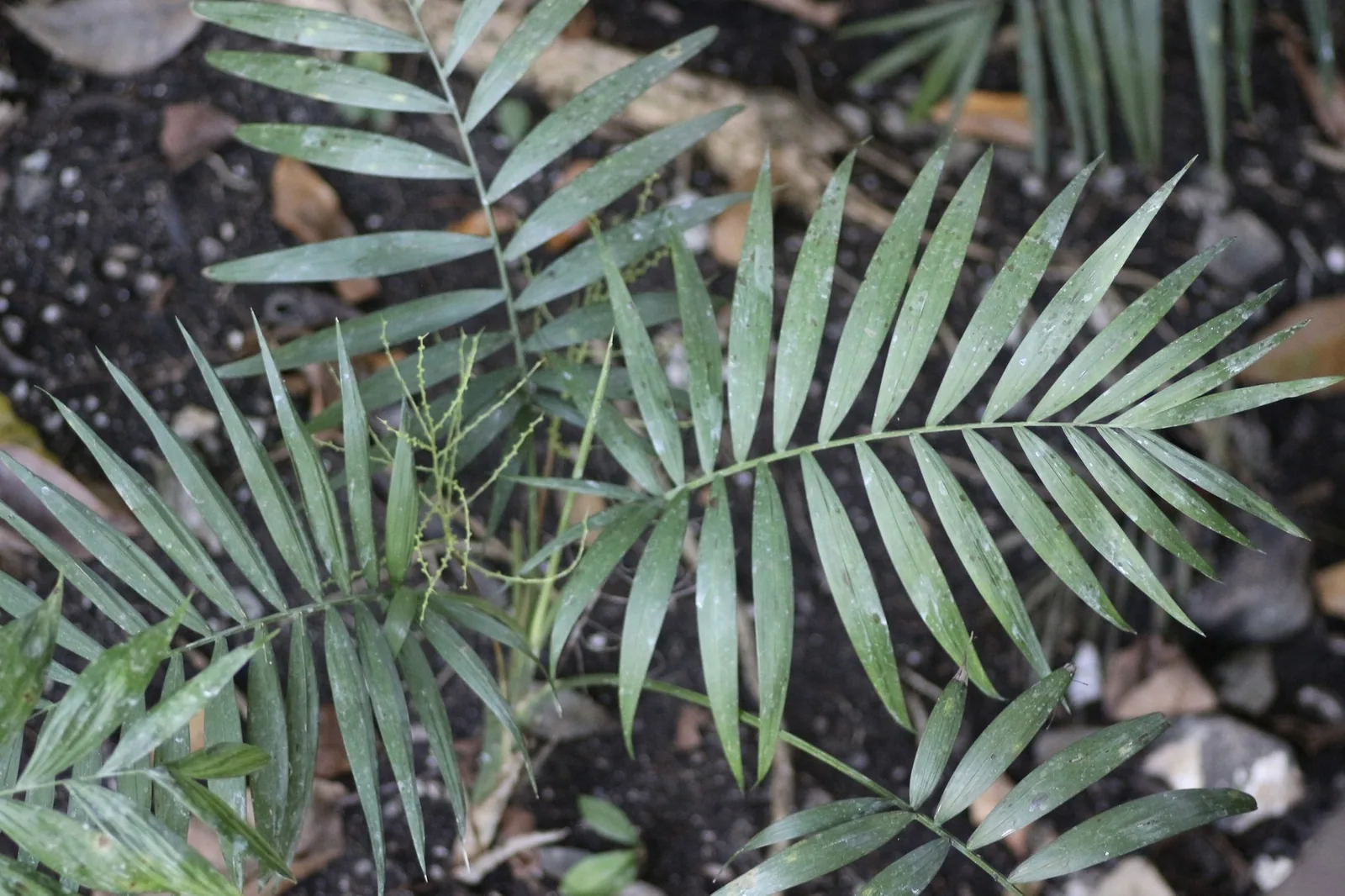
It occasionally produces sprays of tiny yellow flowers indoors. No fruit will follow, but it’s a nice bonus.