Fittonia: The Nerve Plant That Faints Dramatically and Recovers Instantly
A compact nerve plant with neon-veined leaves that faints when thirsty and recovers within the hour. Pet-safe and terrarium-friendly; it needs moist soil and high humidity.
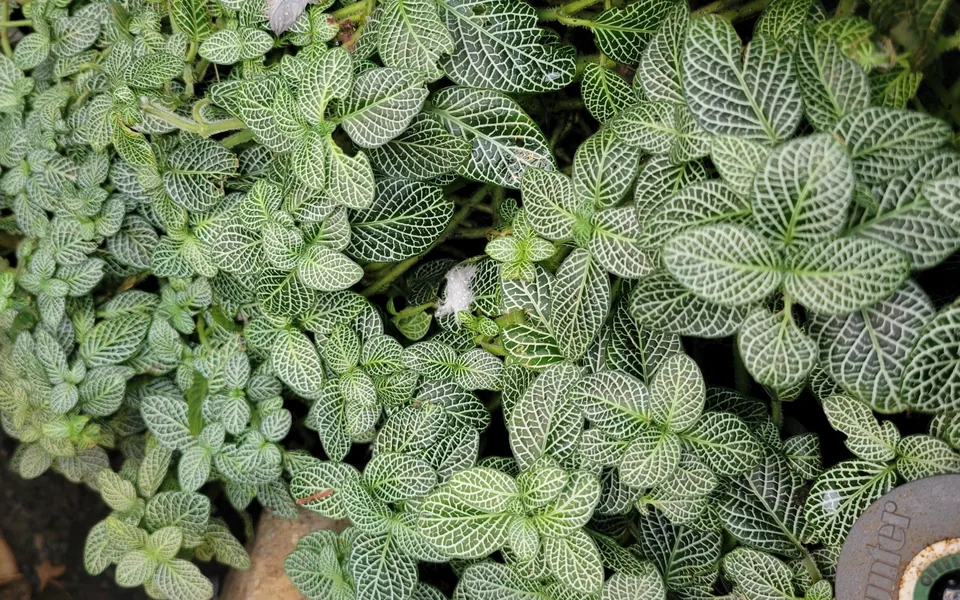
Fittonia, the nerve plant, has small leaves netted with bright veins in white, pink, or red that look like a road map drawn in neon. It stays low and compact, making it perfect for terrariums, small pots, and dish gardens. Its party trick: when it’s thirsty it collapses completely, looking totally dead, then perks back up within an hour of watering. Fun for you, stressful for the plant. Try not to make it a habit.
Where to put it (light)
Medium to bright, indirect light. A north or east window, or a spot behind sheer curtains. Direct sun burns the leaves and washes out the veins; low light makes it leggy and dull.
Temperature
65–80°F (18–27°C). Keep it above 60°F (16°C). Cold drafts make it drop leaves.
Watering
Keep the soil consistently moist but not soggy. Water when the top of the soil just starts to dry. It wilts fast when dry and rots if waterlogged, so check it often. Room-temperature water.
Feeding
Monthly in spring and summer with a balanced liquid fertilizer at quarter to half strength. None in winter.
Soil
A peat- or coir-based mix with perlite that holds moisture but drains. Standard potting mix with added perlite works.
Humidity
60% or higher is where it thrives. This is the number one reason it’s a terrarium favorite. In an open room, use a humidifier, pebble tray, or cloche, or keep it in a bright bathroom.
Common pests
Aphids, mealybugs, fungus gnats (in constantly damp soil), and spider mites if the air gets dry. Check the tiny leaves closely.
Propagation
Difficulty: Very easy. Stem cuttings with 2–3 nodes, rooted in water or moist soil under high humidity. Roots in 2–3 weeks. Division of a large clump also works.
Also worth knowing
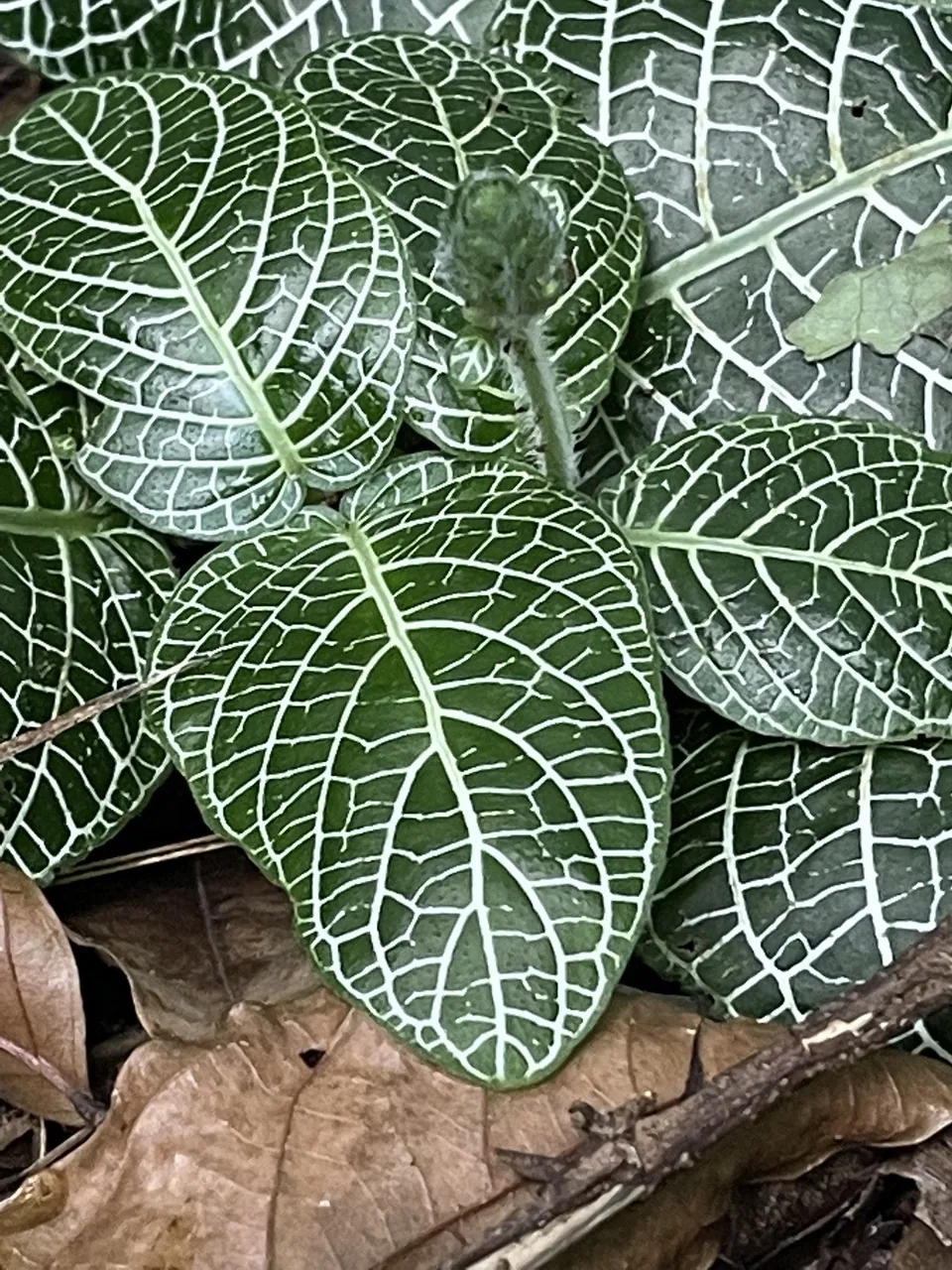
Toxicity: non-toxic to cats and dogs. Mature size: 3–6 in (8–15 cm) tall, spreading. Repot yearly. Pinch off flower spikes and stem tips to keep it dense.
Pinch off the small flower spikes to keep energy in the foliage, and pinch stem tips to keep it bushy. Non-toxic to cats and dogs.