Spider Plant: The Plant That Gives Birth to Dozens of Babies and Asks for Nothing
The grandmother-approved, pet-safe classic that produces dozens of baby plantlets. Tough and forgiving; use filtered water to avoid brown tips.
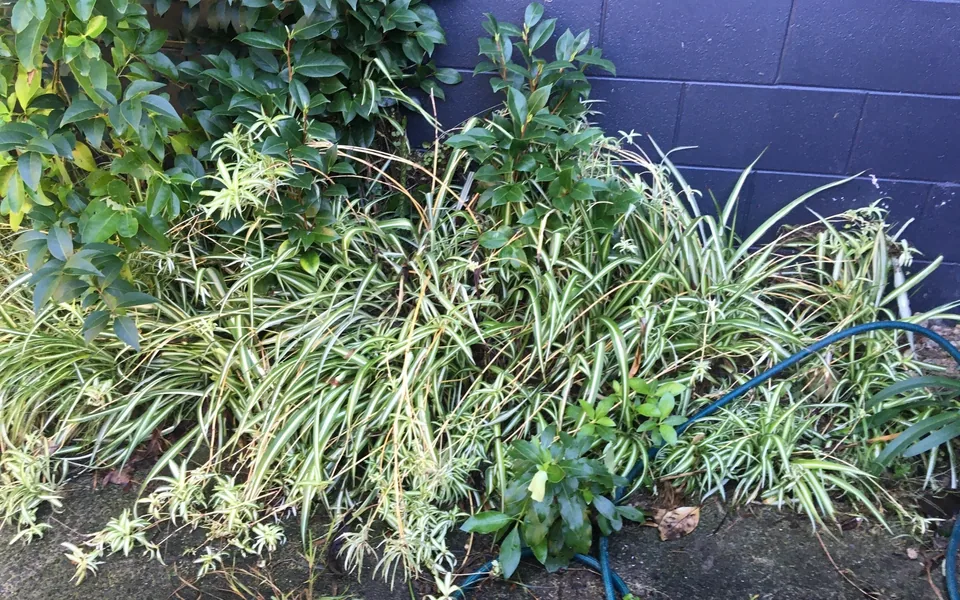
The spider plant (Chlorophytum comosum) is the plant your grandmother had in a macramé hanger, and it’s still going strong. Arching green-and-white striped leaves, long stems with tiny white flowers, and then the main event: baby “spiderettes” dangling from those stems by the dozen, each ready to root. It’s tough as nails, non-toxic to pets, and endlessly giftable.
Where to put it (light)
Bright to medium, indirect light. It tolerates lower light but grows slowly and the stripes fade. Direct hot sun scorches the leaves. A hanging basket near an east window is classic for a reason.
Temperature
60–75°F (16–24°C) is ideal, but it tolerates 50–85°F (10–29°C) without complaint. Keep it frost-free.
Watering
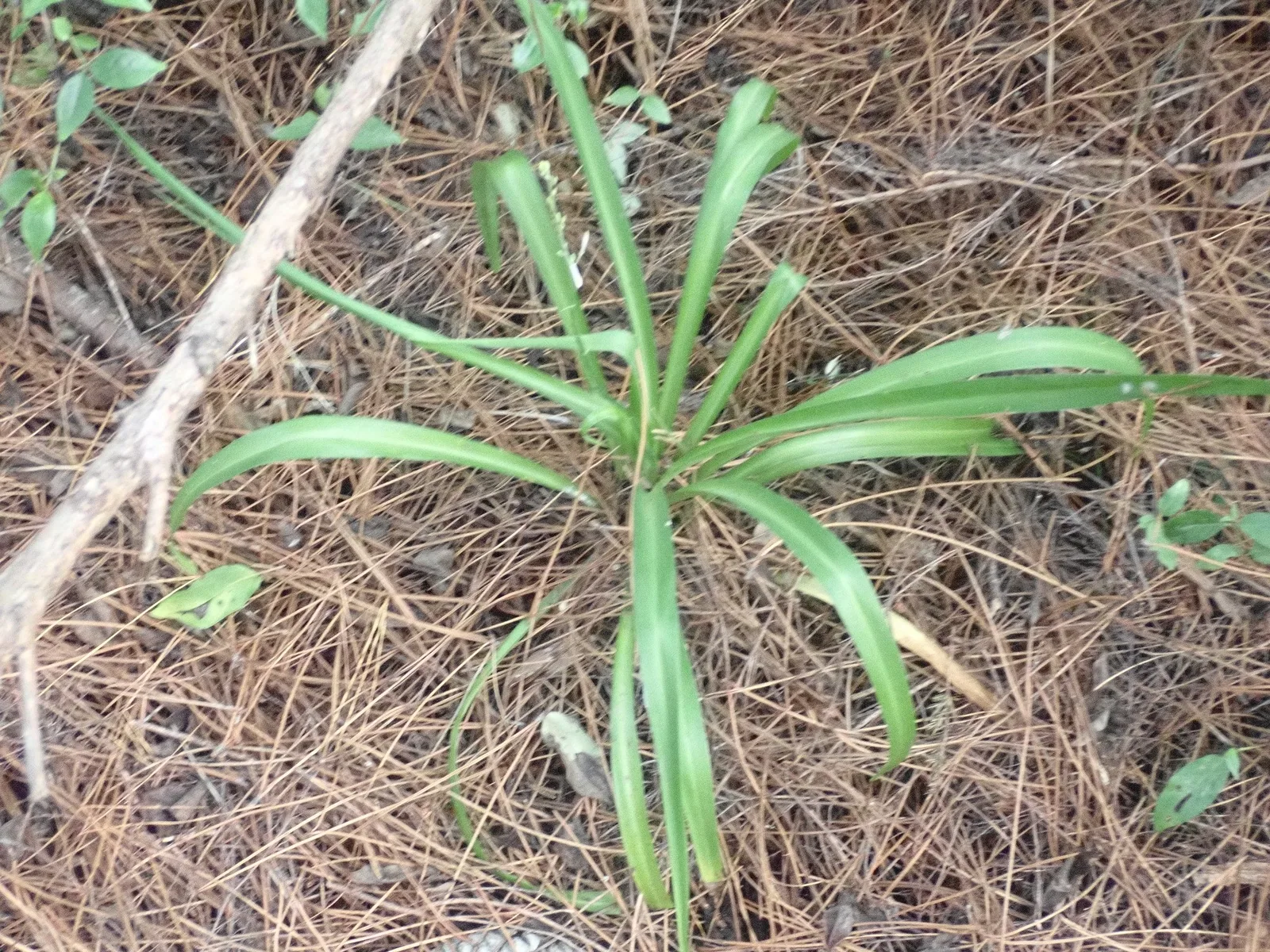
Water when the top inch of soil is dry. It stores water in its thick roots, so it forgives forgetfulness. Brown leaf tips are usually caused by fluoride and chlorine in tap water, so use filtered, distilled, or rain water if that bothers you.
Feeding
Monthly in spring and summer with a balanced liquid fertilizer at half strength. Overfeeding causes brown tips and fewer babies.
Soil
Standard well-draining potting mix. It’s not picky. Its chunky roots fill pots fast, so repot every year or two.
Humidity
It’s listed as humidity-loving because 50%+ keeps the tips green, but it tolerates average homes remarkably well. Dry air = more brown tips.
Common pests
Spider mites (ironic, we know), aphids, mealybugs, scale, and whiteflies. Generally resistant. Rinse the foliage occasionally.
Propagation
Difficulty: Very easy. Plantlets (spiderettes). Set a baby in a small pot of soil while still attached to the mother, wait 2–3 weeks for roots, then snip. Or just cut and root in water.
Also worth knowing
Toxicity: non-toxic to cats and dogs (though cats love to chew it). Mature size: 1–2 ft (30–60 cm), babies trailing longer. Repot every 1–2 years; the thick roots fill pots fast.
To make more: set a spiderette in a small pot of soil while still attached to the mother, wait for roots, then snip. Repeat until you run out of friends to give them to.