Monstera Deliciosa: The Plant That Ate Instagram
The iconic split-leaf climber that tolerates beginner mistakes, grows fast in bright indirect light, and only asks for well-draining soil and a moss pole to climb.
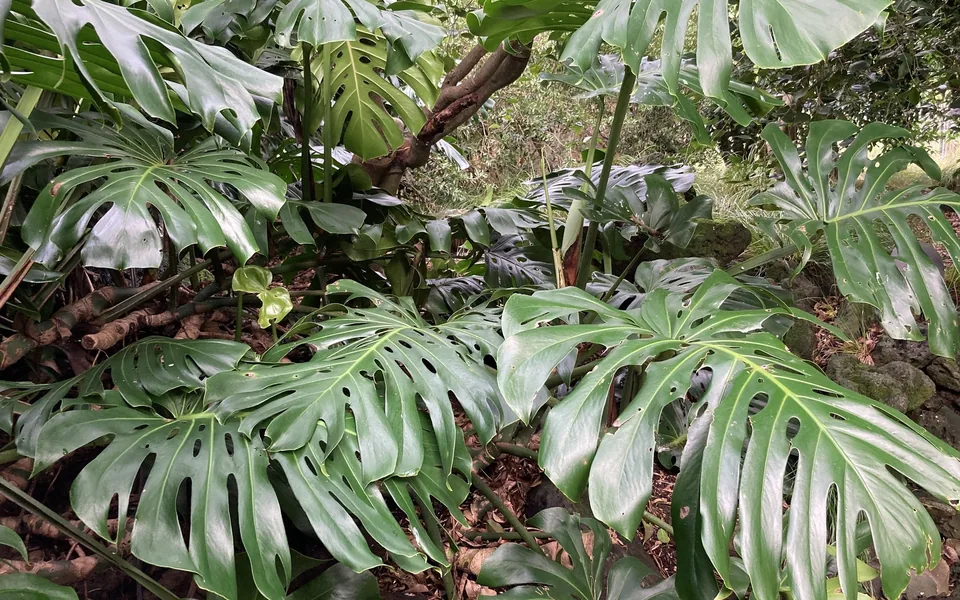
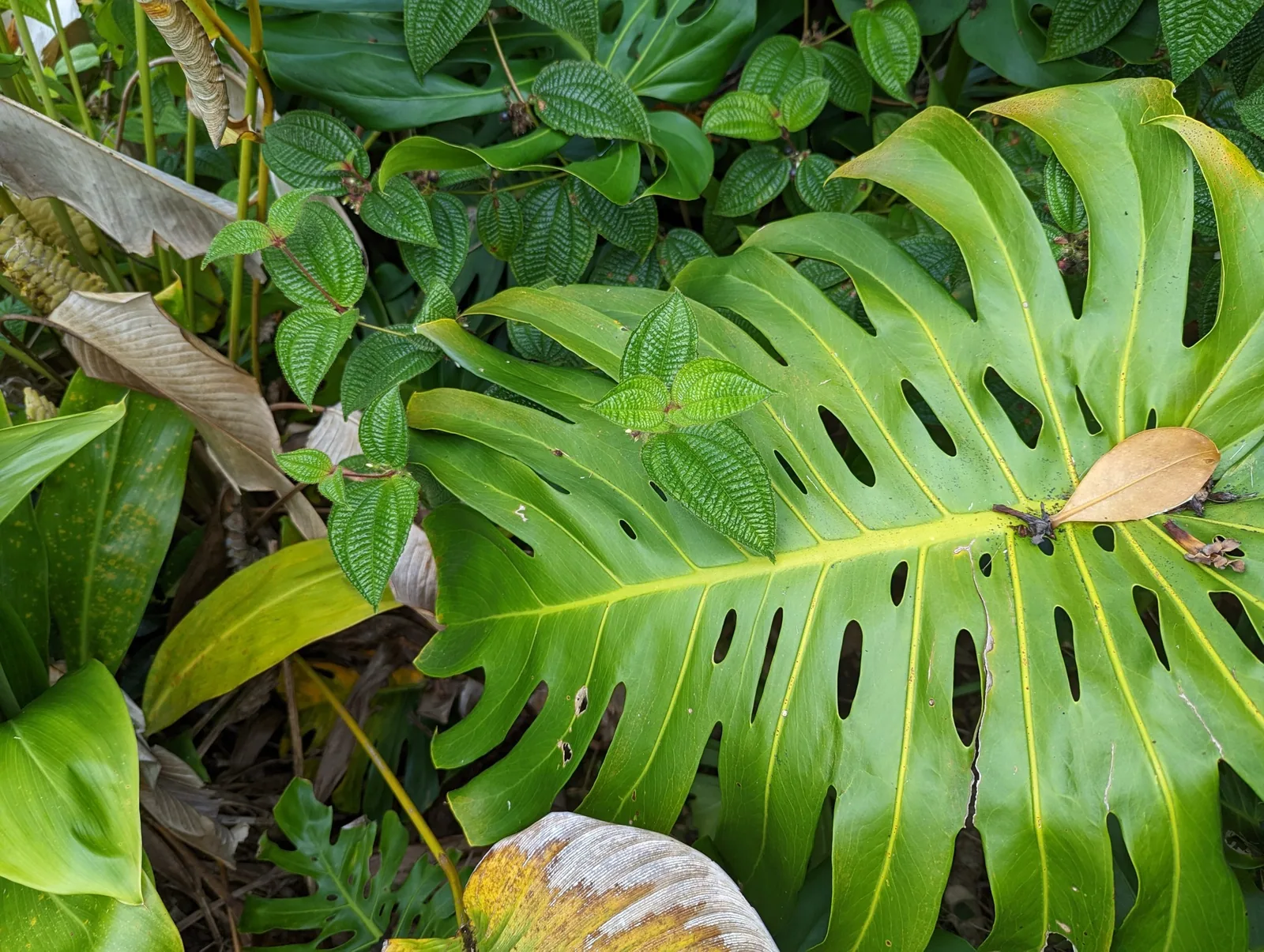
If you’ve scrolled past a single “plant aesthetic” photo in the last decade, you’ve seen a Monstera deliciosa. Those giant, glossy, split leaves with holes (the “fenestrations”) are the reason it’s called the Swiss cheese plant. The “deliciosa” part refers to its fruit, which tastes like pineapple crossed with banana… but only when fully ripe, and only outdoors in the tropics, so let’s not get our hopes up. What we can get is a big, easygoing climber that forgives most beginner mistakes.
Where to put it (light)
Bright, indirect light produces the biggest leaves and the most splits. It tolerates medium light, but the leaves stay small and solid. A little direct morning sun is fine; harsh afternoon sun scorches. Give it a moss pole or trellis; it’s a climber and will thank you with larger leaves.
Temperature
65–85°F (18–29°C) is ideal. It tolerates down to about 55°F (13°C) but stops growing. No frost, no cold drafts.
Watering
Water when the top 2 inches of soil are dry, roughly weekly in summer and every 2 weeks in winter. Water thoroughly and let it drain. Yellow leaves usually mean overwatering; crispy brown edges usually mean underwatering or low humidity.
Feeding
Monthly during spring and summer with a balanced liquid fertilizer at half strength. It’s a fast grower and appreciates the meal. Skip winter.
Soil
A chunky, well-draining aroid mix: potting soil, orchid bark, perlite, and some coco coir. Standard potting mix works in a pinch if you add perlite.
Humidity
Average household humidity is fine, but 50–60% encourages faster, lusher growth. Wipe the big leaves occasionally; dust blocks light.
Common pests
Spider mites, scale, mealybugs, and thrips. Thrips are the sneaky one: look for silvery streaks and tiny black specks on the leaves. Insecticidal soap or neem oil handles most infestations if caught early.
Propagation
Difficulty: Easy. Stem cuttings with a node (the bump where a leaf and aerial root emerge). Cut just below the node, place it in water or moist chunky mix, and roots follow in 2–4 weeks. Air layering works for large stems.
Also worth knowing
Toxicity: toxic to cats and dogs if chewed. Mature size: 6–10 ft (2–3 m) indoors. Repot every 1–2 years. Tuck aerial roots into the pot or a moss pole; don’t cut them off.
Give it room. Seriously. A happy monstera will take over a corner, then a wall, then your life, and you’ll love every minute of it.