Dracaena Marginata: The Dragon Tree That Looks Expensive and Costs Nothing to Keep
A tall, architectural dragon tree with red-edged leaves that tolerates medium light and infrequent watering. Fluoride in tap water is the main cause of brown tips.
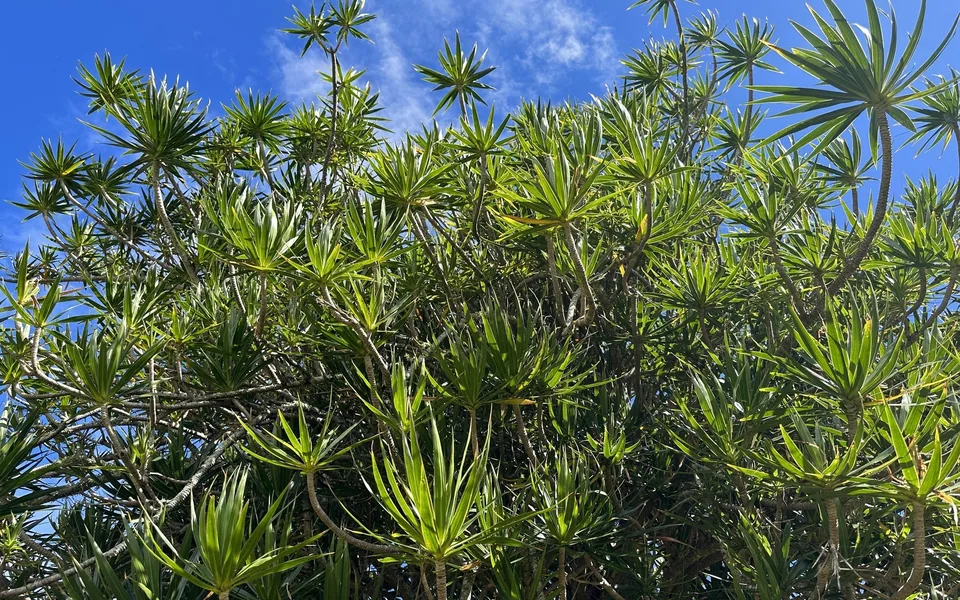
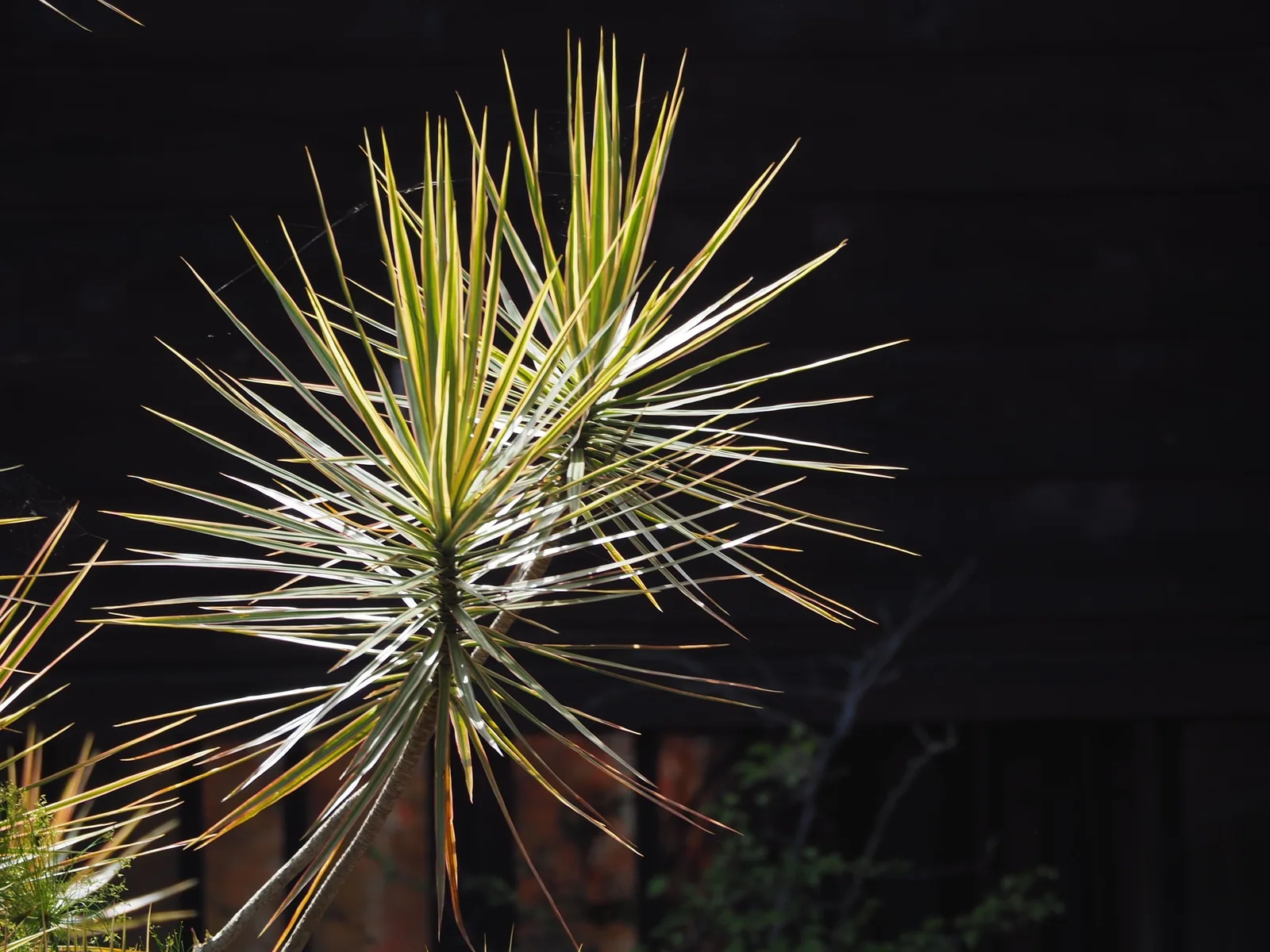
The dragon tree (Dracaena marginata) has slim, woody canes topped with spiky tufts of narrow, red-edged leaves. It looks like a miniature palm designed by an architect, and it’s one of the toughest floor plants you can own. Grown in a tall pot in a corner, it adds height without taking up floor space, and it can live for decades, eventually reaching 6 feet (2 m) or more indoors.
Where to put it (light)
Bright, indirect light is ideal, but it tolerates medium and even lowish light, just with slower growth. Direct sun bleaches and scorches the leaves. Rotate occasionally so the canes grow straight.
Temperature
65–80°F (18–27°C). Keep above 55°F (13°C). It’ll survive short cold snaps but drop leaves in protest.
Watering
Water when the top 2 inches of soil are dry, roughly every 1–2 weeks. Overwatering is the fastest way to kill it: soft canes and yellowing lower leaves are the signs. It’s sensitive to fluoride in tap water, which causes brown leaf tips; filtered or rain water helps.
Feeding
Monthly in spring and summer with a balanced liquid fertilizer at half strength. None in winter. Overfeeding also causes tip burn.
Soil
A well-draining potting mix with perlite. Avoid mixes with perlite that’s fluoride-heavy if you’re fighting tip browning (some growers swap in pumice).
Humidity
Average household humidity is fine. Brown tips in very dry winter air can be helped with a pebble tray.
Common pests
Spider mites, mealybugs, scale, and thrips. Check the tufts where leaves meet the cane. Wipe leaves with a damp cloth.
Propagation
Difficulty: Easy. Cane cuttings. Cut a section of stem 4–8 in (10–20 cm) long, let it dry a day, and root in water or moist soil. The parent cane will sprout new heads below the cut.
Also worth knowing
Toxicity: toxic to cats and dogs if chewed. Mature size: 6+ ft (2 m) indoors. Repot every 2–3 years. Cut the cane at any height to control size and create a branched, multi-headed tree.
Old lower leaves drop naturally, leaving the bare cane; that’s normal, not a crisis. Toxic to pets if chewed.