Coleus: The Plant That Dresses Louder Than You Do
A fast-growing, wildly colorful foliage plant that thrives in bright indirect light, likes its soil kept moist, and roots from cuttings in a glass of water. Perfect for beginners who want instant drama.
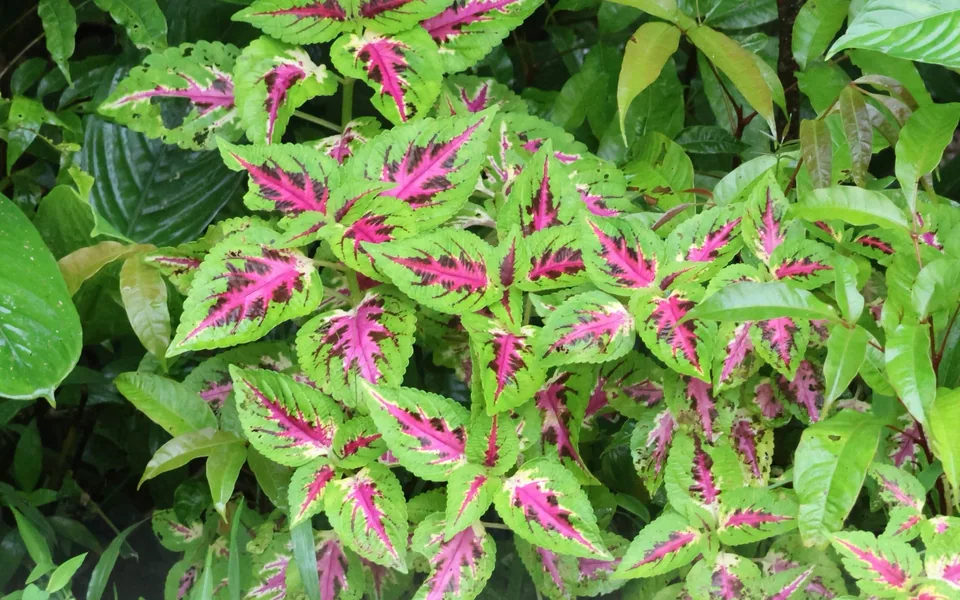
Some plants are green. Coleus looked at “green” and said, “no thanks, I’ll take magenta, lime, burgundy, and a little bit of chartreuse, please.” This is a plant that shows up to the party in a sequined jacket, and it grows so fast and so easily that you’ll wonder why anyone bothers with fake flowers. Coleus is technically a tender perennial that most people treat as an annual outdoors, but indoors it can live for years and it roots in a glass of water faster than you can say “I’ll take a cutting of that.”
Where to put it (light)
Coleus wants bright, indirect light, with a bit of gentle morning sun being perfectly fine. Too little light and the colors fade to a sad, washed-out version of themselves (and the stems stretch out like a teenager in a growth spurt). Too much harsh afternoon sun through a window can scorch the leaves. An east-facing window is the sweet spot; a few feet back from a south or west window also works.
Temperature
Happy between 65–85°F (18–29°C). It sulks below 55°F (13°C) and will turn to mush if it ever meets frost. Keep it away from cold drafts and air conditioning vents.
Watering
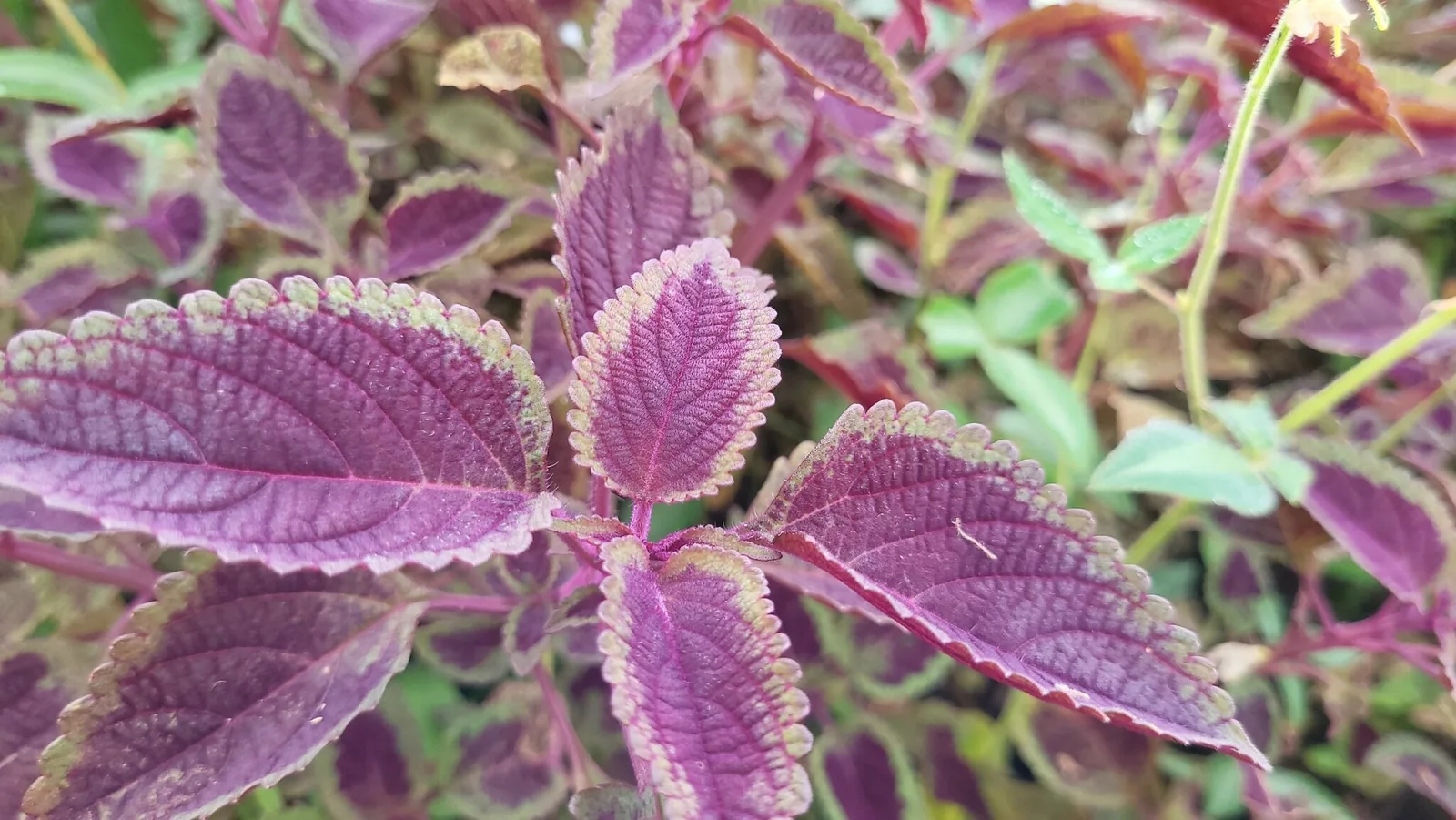
Coleus is thirsty. It likes consistently moist (not soggy) soil and will dramatically wilt to let you know it’s dry, then perk right back up after a drink like nothing happened. Water when the top inch of soil is dry. Don’t let it sit in a saucer of water, though; wet feet lead to root rot.
Feeding
Feed every 2–4 weeks during spring and summer with a balanced liquid fertilizer at half strength. Go easy: too much nitrogen actually dulls the leaf color. Skip feeding in winter.
Soil
A well-draining, all-purpose potting mix is perfect. Add a handful of perlite if your mix seems heavy. It’s not picky, just don’t let it sit in mud.
Humidity
Average household humidity (40–50%) is fine. It will appreciate a little extra if your home is very dry in winter, but it’s not a diva about it.
Common pests
Mealybugs, aphids, whiteflies, and spider mites all find Coleus tasty. Check the undersides of leaves weekly; a spray of insecticidal soap handles most of them. Pinch back the flower spikes when they appear. The flowers are unimpressive and pinching keeps the plant bushy and colorful.
Propagation
Difficulty: Very easy. Stem cuttings. Snip a 4–6 inch (10–15 cm) tip below a leaf node, strip the lower leaves, and drop it in water or moist soil. Roots appear in 1–2 weeks. Seeds also germinate easily but won’t match the parent’s colors.
Also worth knowing
Toxicity: mildly toxic to cats, dogs, and horses if chewed. Mature size: 1–3 ft (30–90 cm). Repot yearly; it’s a fast grower. Pinch tips regularly to keep it bushy and remove flower spikes as they appear.
Coleus is the kind of plant that makes you look like you know what you’re doing. Buy one, take cuttings, and soon you’ll have a dozen. You’ve been warned.