Cissus Discolor: A Begonia Impersonator With Velvet Leaves and Big Ambitions
A velvet-leafed climbing vine that impersonates a rex begonia. It wants warmth, bright indirect light, consistently moist soil, and humidity above 60%.
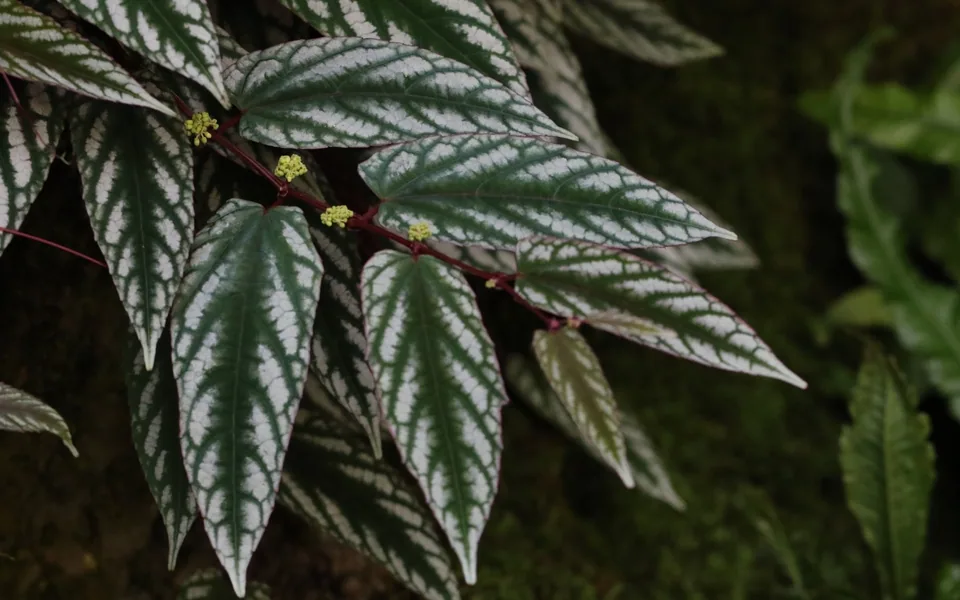
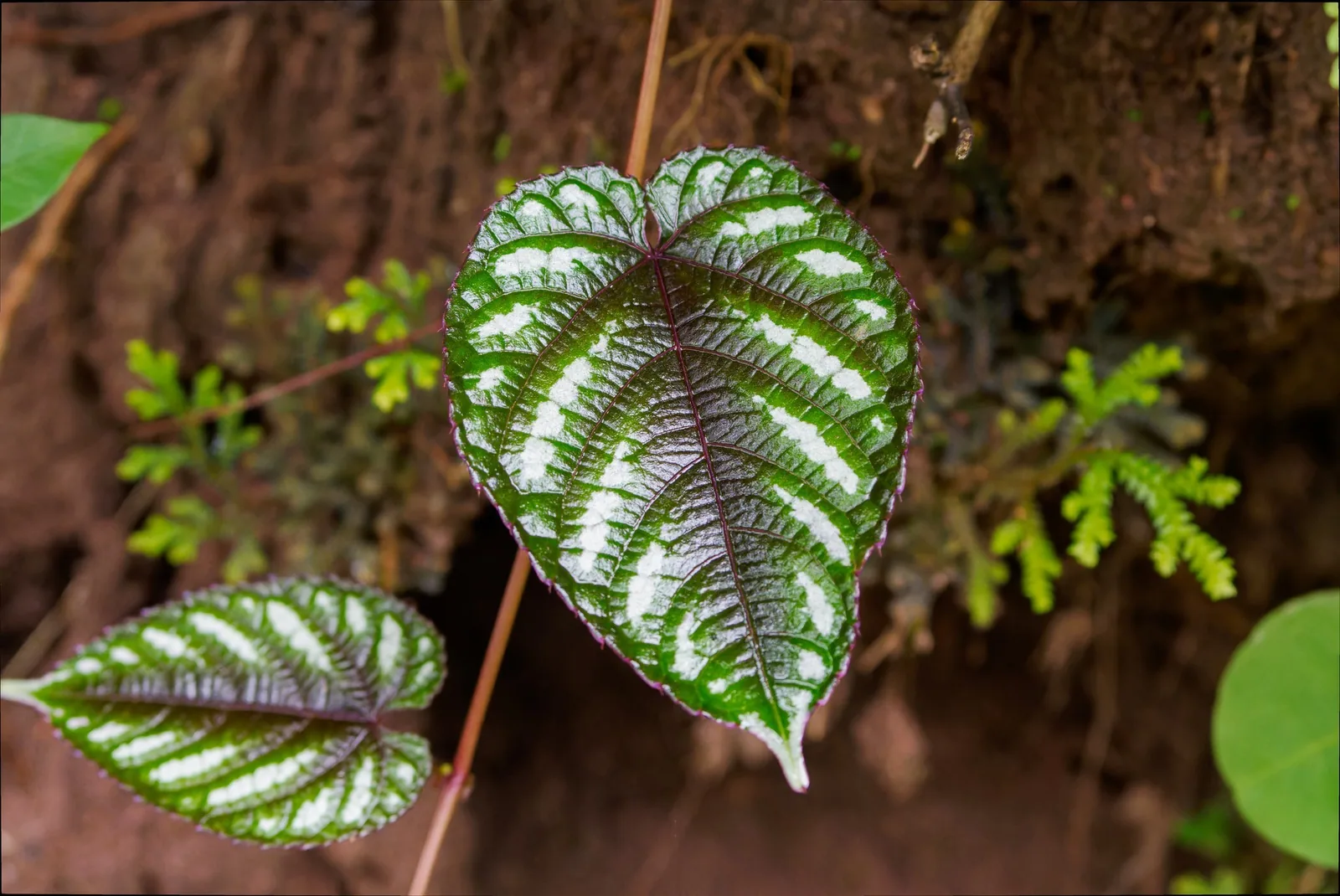
Cissus discolor is called the rex begonia vine because its leaves look like a painted begonia: velvety, dark green with silver-white markings and a burgundy underside. But it’s actually a grape relative that climbs with tendrils and can hit 6–10 feet (2–3 m) if you let it. It’s one of the most beautiful climbers you can grow indoors, provided you give it warmth and moisture.
Where to put it (light)
Bright, indirect light. East windows or a spot behind a sheer curtain. Direct sun scorches the velvet leaves; low light fades the silver.
Temperature
Warm: 65–80°F (18–27°C). Keep it above 60°F (16°C). Cold drafts cause leaf drop. In cool winters it may drop leaves and go semi-dormant, then regrow in spring.
Watering
Keep the soil lightly and consistently moist during the growing season; water when the top inch is dry. Let it dry slightly more in winter. Soggy soil = root rot, bone-dry soil = crispy leaves.
Feeding
Every 2–4 weeks in spring and summer with a balanced liquid fertilizer at half strength. None in winter.
Soil
A rich, well-draining mix of potting soil, perlite, and orchid bark or coco coir.
Humidity
60% or higher is where it thrives. Dry air brings brown edges and leaf drop. Humidifier, pebble tray, or a bright bathroom.
Common pests
Spider mites (in dry air), mealybugs, aphids, and scale. Check leaf undersides regularly; the velvet texture can hide pests.
Propagation
Difficulty: Moderate. Stem cuttings with 2–3 nodes, rooted in water or moist mix in a warm, humid spot. Roots in 3–5 weeks.
Also worth knowing
Toxicity: reported as non-toxic to pets, but keep it out of reach to be safe. Mature size: vines 6–10 ft (2–3 m). Repot every 1–2 years. Pinch tips to encourage branching.
Give it a trellis or moss pole and it’ll climb; give it a hanging basket and it’ll cascade. Either way, it’ll be the leaf everyone photographs.