Boston Fern: The Victorian Parlor Icon That Just Wants a Shower
The classic feathery parlor fern that cleans the air and asks for two things: consistently moist soil and plenty of humidity. Give it a bright bathroom and it will thrive.
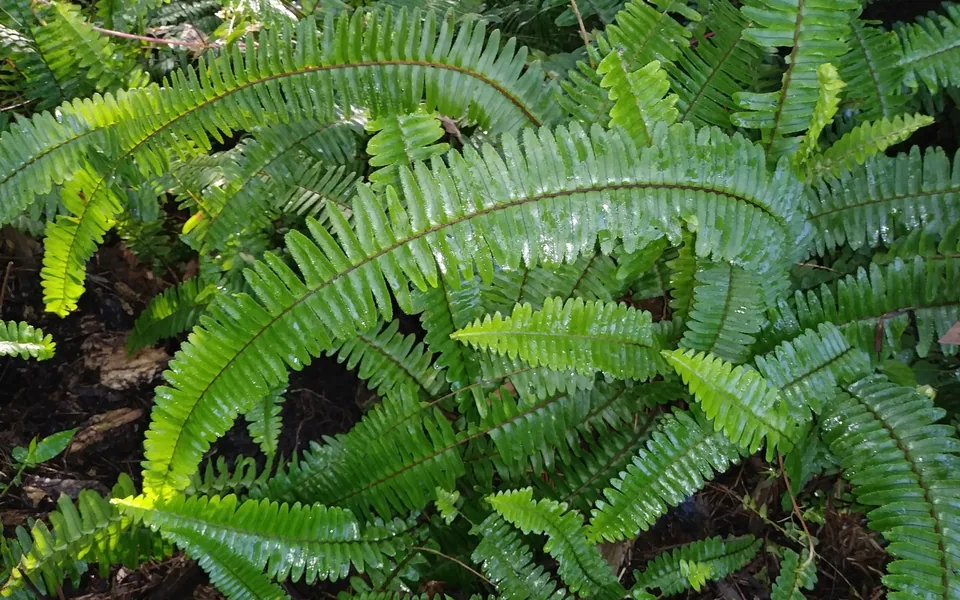
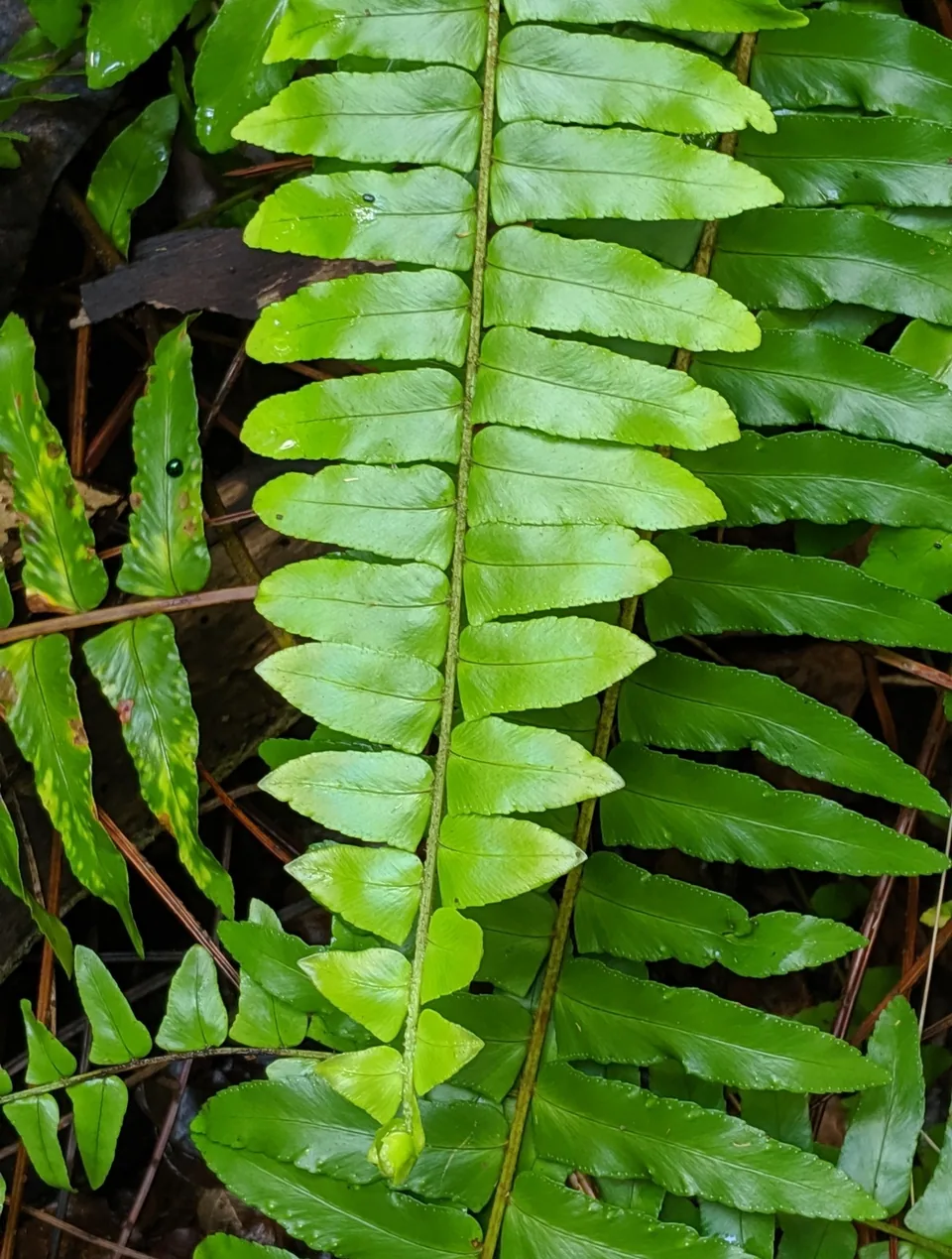
The Boston fern (Nephrolepis exaltata) has been hanging in porches and parlors since your great-great-grandmother’s time, and for good reason: those arching, feathery fronds are pure drama. It also made the famous NASA list of air-cleaning plants, so you can tell your roommates it’s “environmental infrastructure” and not “another plant.”
Where to put it (light)
Bright to medium, indirect light. Think a north-facing window, or a spot near an east window with the sun filtered through a sheer curtain. Direct sun will crisp those delicate fronds. Too dark, and it gets thin and sheds like a golden retriever in June.
Temperature
Ideal range is 60–75°F (16–24°C). It tolerates down to about 50°F (10°C) but not happily. Above 80°F (27°C), it dries out fast and starts dropping leaflets everywhere.
Watering
Keep the soil consistently moist. Never let it dry out completely; a bone-dry Boston fern is a crunchy Boston fern. Water when the top of the soil just starts to feel dry, and water thoroughly. It genuinely enjoys a lukewarm shower in the tub now and then.
Feeding
Ferns are light feeders. Feed once a month in spring and summer with a balanced liquid fertilizer diluted to half strength. Skip it in fall and winter.
Soil
A peat-based, moisture-retentive potting mix with some perlite for drainage. It wants soil that stays damp but still breathes.
Humidity
This is the big one. Boston ferns crave 50% humidity or higher. Dry air means brown tips and a constant rain of tiny leaflets on your floor. Group it with other plants, set it on a pebble tray, run a humidifier, or give it a home in a bright bathroom where it can enjoy the steam.
Common pests
Scale, mealybugs, and spider mites, especially when the air is dry. Fungus gnats show up if the soil stays too wet. Check the undersides of fronds and treat early with insecticidal soap.
Propagation
Difficulty: Easy. Division. Slide the plant out of its pot in spring, pull or cut the root ball into two or three sections (each with fronds and roots), and pot them up. It also sends out fuzzy runners that root where they touch soil.
Also worth knowing
Toxicity: non-toxic to cats and dogs. Mature size: 2–3 ft (60–90 cm) wide. Repot every 1–2 years in spring. Trim dead or yellow fronds at the base; a hard cutback rejuvenates a scraggly plant.
If you can give it moisture and humidity, the Boston fern will reward you with a lush green fountain of foliage. If you can’t, it will make its displeasure known one leaflet at a time.