Begonia Maculata: Polka Dots, Angel Wings, and a Bit of Attitude
A polka-dotted, angel-wing beauty with red leaf undersides. Give it bright indirect light, light well-draining soil, and humidity without wet leaves to avoid mildew.
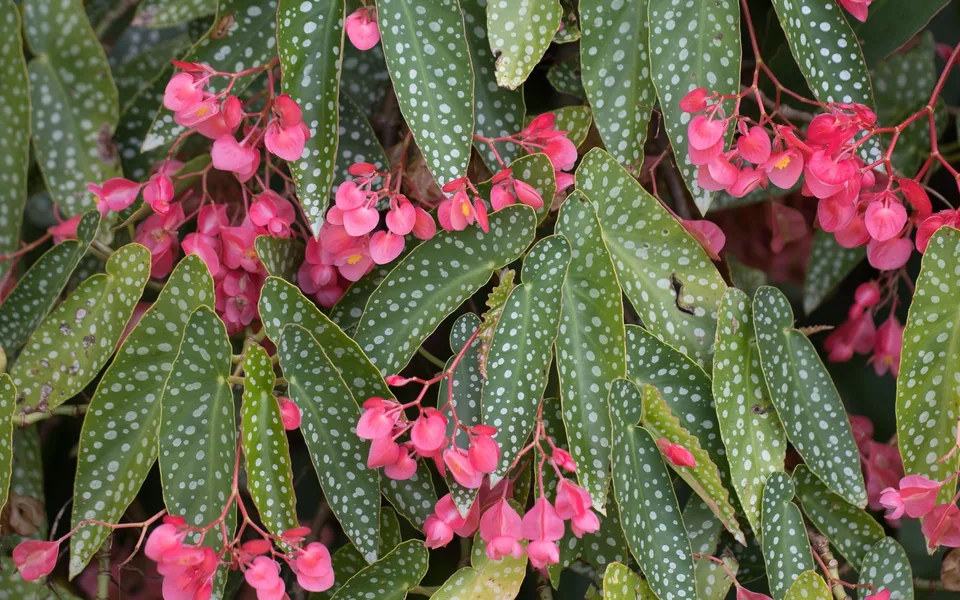
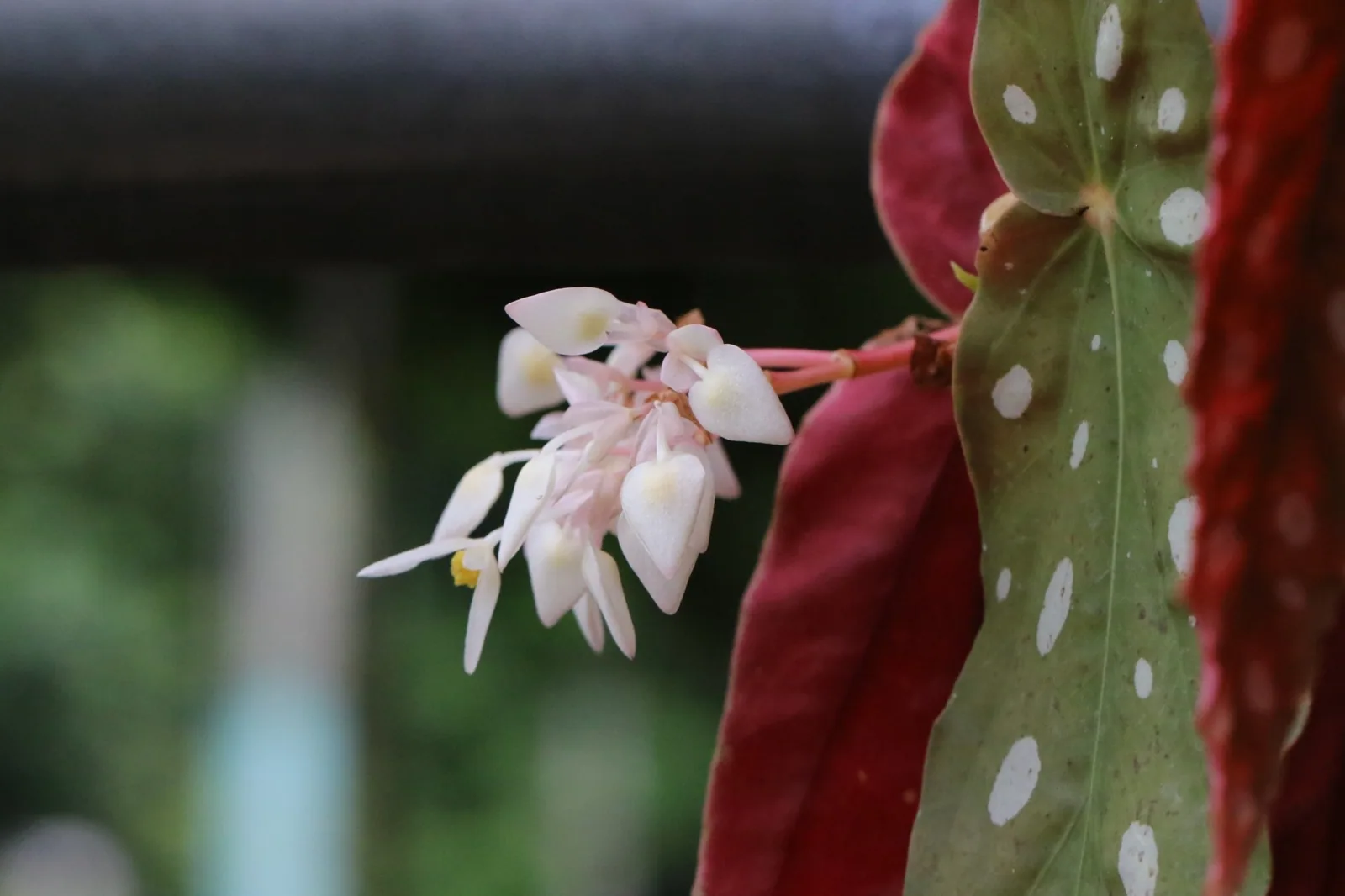
Begonia maculata looks like a designer had one too many espressos: olive-green angel-wing leaves covered in silver polka dots, with a deep red underside, on cane-like stems that can grow several feet tall. It also produces clusters of white flowers. It’s nicknamed the “polka dot begonia,” but around here we call it the plant that makes guests ask, “wait, is that real?”
Where to put it (light)
Bright, indirect light. An east window is perfect. Too little light and the dots fade and the stems get leggy; direct sun will scorch the leaves. Rotate it regularly so it doesn’t lean.
Temperature
65–80°F (18–27°C). Keep it above 60°F (16°C). It dislikes both cold drafts and hot, dry air from vents.
Watering
Water when the top inch of soil is dry. Begonias are prone to root rot and stem rot, so err on the side of slightly dry rather than soggy. Water at the soil level; avoid soaking the leaves.
Feeding
Every 2–4 weeks in spring and summer with a balanced liquid fertilizer at half strength. Reduce to monthly or none in winter.
Soil
A light, well-draining mix: potting soil with plenty of perlite and some orchid bark. Heavy, water-retaining soil is a rot recipe.
Humidity
Here’s the catch. It wants 50–60% humidity but does NOT want its leaves misted (wet leaves invite powdery mildew). Use a humidifier or group it with other plants instead.
Common pests
Mealybugs, whiteflies, aphids, and thrips. The bigger enemy is powdery mildew, that white powdery coating that shows up when air circulation is poor. Good airflow and dry leaves are your best defense.
Propagation
Difficulty: Easy. Stem cuttings. Cut a cane section with 2–3 nodes, remove the lower leaves, and root in water (changed weekly) or moist perlite. Roots in 2–4 weeks.
Also worth knowing
Toxicity: toxic to cats and dogs if chewed. Mature size: 3–4 ft (90–120 cm) indoors, taller with support. Repot every 1–2 years. Pinch tips to keep it from becoming a single leggy cane.
Pinch back leggy stems to keep it bushy, and root the cuttings in water. Soon your whole house will have polka dots.