Asparagus Fern: Not a Fern, Not Asparagus, Still Adorable
A lacy, cloud-like plant that is neither a fern nor edible asparagus. It wants bright indirect light, evenly moist soil, and enough humidity to keep its needles from dropping.
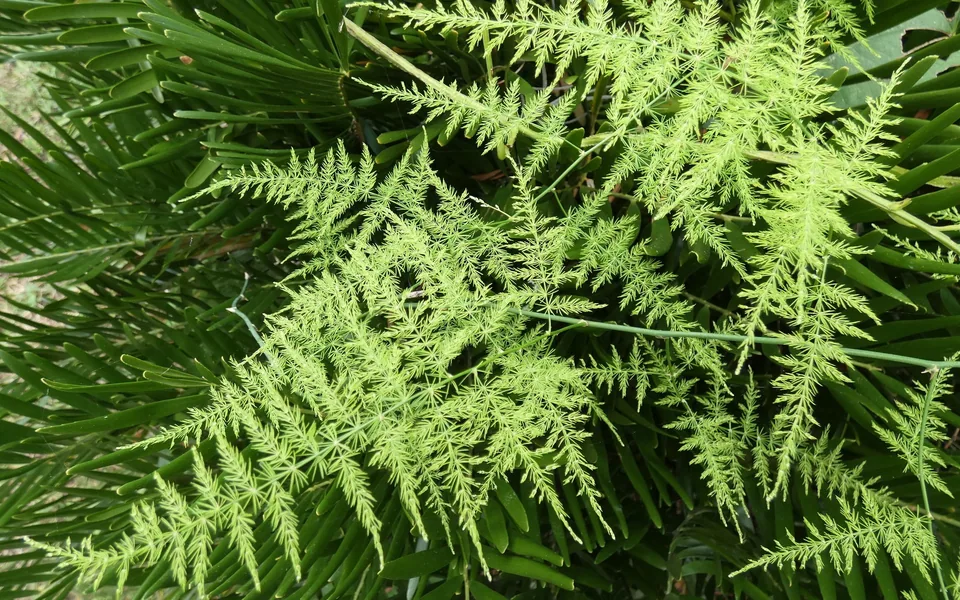
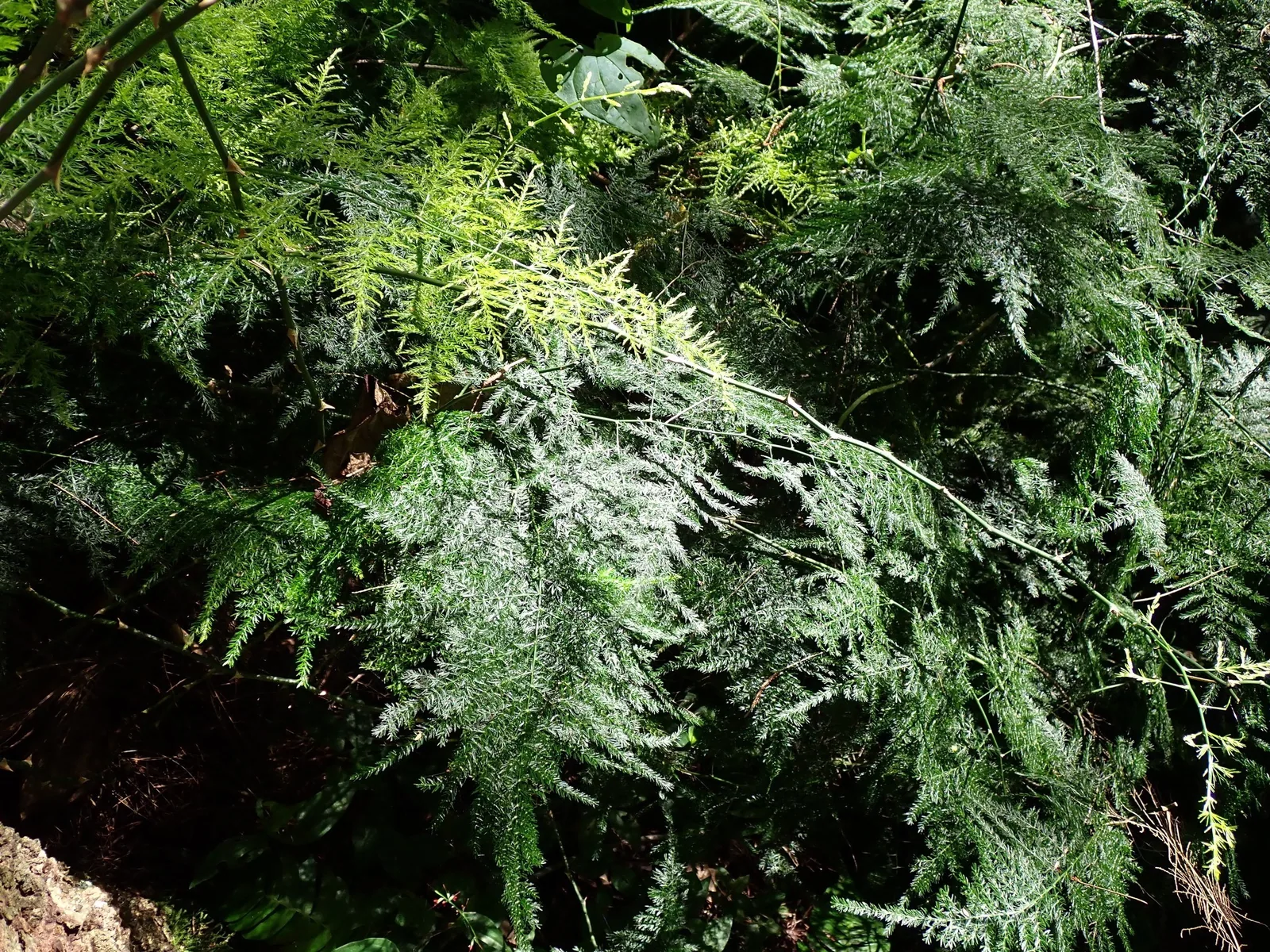
Botany loves a good prank. Asparagus setaceus is called an asparagus fern, yet it is not a fern (it flowers and makes berries, which ferns don’t) and it is not the asparagus you roast with olive oil (though they’re cousins). What it is is a cloud of feathery, lace-like foliage that looks like it was drawn with a very fine pen. It’s also armed with tiny thorns on the stems, so mind your fingers.
Where to put it (light)
Bright, indirect light keeps it lush and green. It tolerates medium light but grows slower and thinner. Avoid harsh direct sun, which yellows the needles.
Temperature
Happiest between 65–75°F (18–24°C). Keep it above 55°F (13°C) and away from cold drafts and heating vents.
Watering
Keep the soil evenly moist but never waterlogged. When it dries out, the needles yellow and drop in a shower that looks like someone shook out a tiny Christmas tree. Water when the top inch is dry.
Feeding
Feed every 2–4 weeks in spring and summer with a balanced liquid fertilizer at half strength. Monthly or not at all in winter.
Soil
A rich, well-draining potting mix with peat or coco coir plus perlite. Its roots form little tubers that store water, so drainage matters.
Humidity
It’s in the humidity-loving category for a reason: 50% or more keeps it looking full. Mist it, use a pebble tray, or give it a bathroom window.
Common pests
Spider mites are the classic villain, especially in dry air. Mealybugs and scale also show up. Rinse the foliage regularly and treat with insecticidal soap at the first sign of webbing.
Propagation
Difficulty: Easy to moderate. Division is the reliable route: split the tuberous root clump in spring and pot the sections. Seeds from the berries will germinate but take months.
Also worth knowing
Toxicity: berries and sap are toxic to cats and dogs and can irritate skin. Mature size: 2–3 ft (60–90 cm), stems can trail longer. Repot every 1–2 years; the tubers will crack a pot if left too long. Wear gloves when pruning; the stems have small thorns.
A note for pet owners: the berries and sap can irritate cats and dogs, so keep it up high where only humans can admire it.