Venus Flytrap: The Houseplant With an Appetite
A bug-eating bog plant that needs full sun, distilled water, nutrient-free soil, and a cold winter dormancy. Not hard once you know the rules, but the rules are firm.
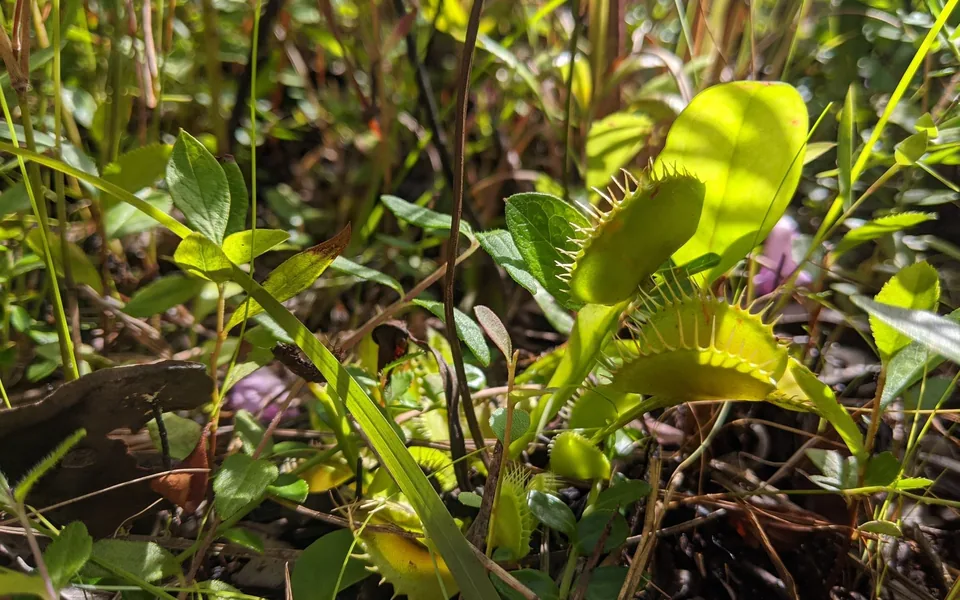
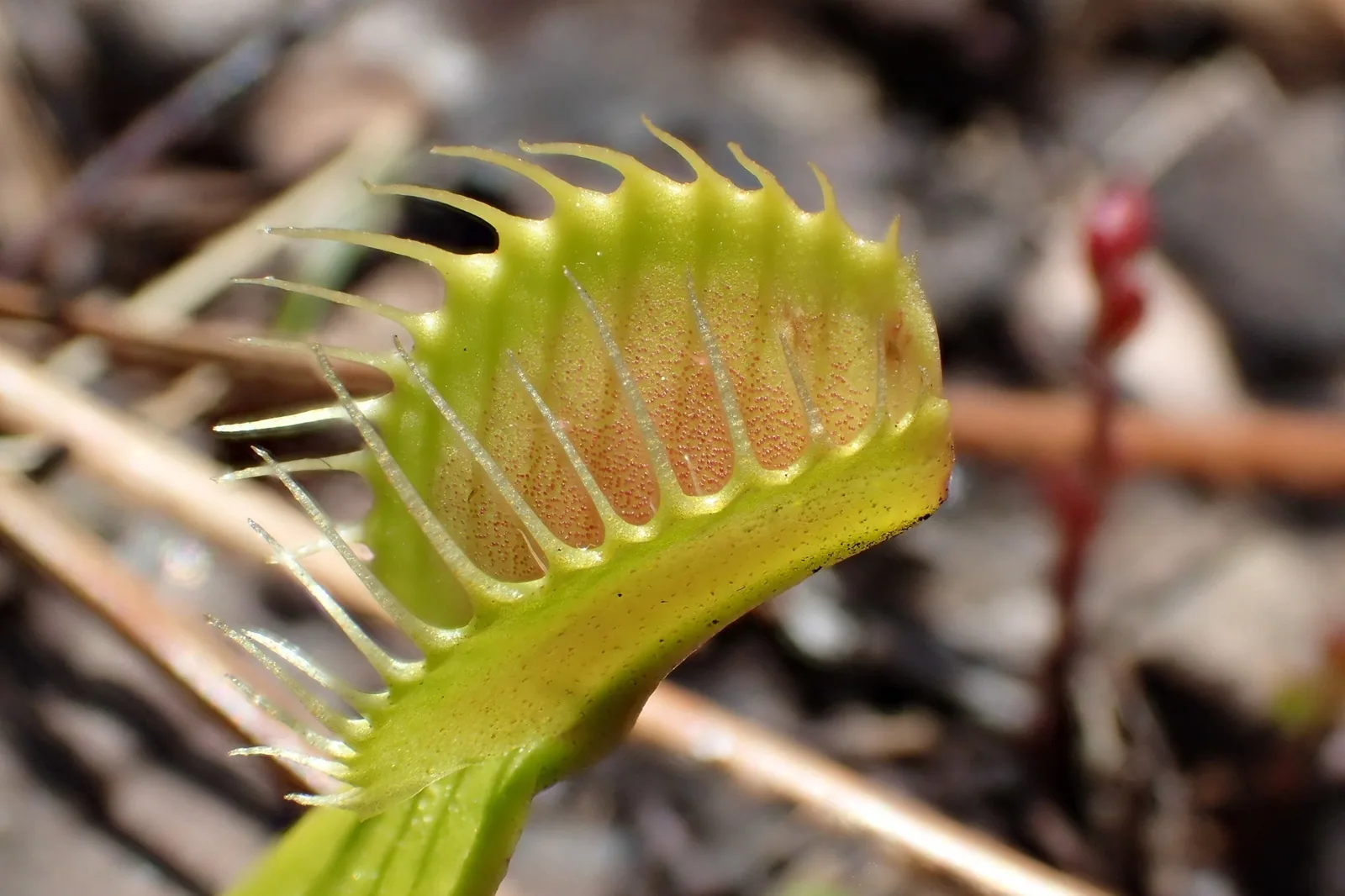
Let’s get one thing out of the way: the Venus flytrap (Dionaea muscipula) is not a tropical jungle monster. It’s a tiny bog plant from the Carolinas that eats bugs because its native soil is nutrient-poor. It is also, hands down, the most fun plant to show a six-year-old. Just don’t poke the traps for entertainment; each trap only closes a handful of times before it dies.
Where to put it (light)
Bright, direct sun and lots of it, ideally 6+ hours. A sunny south-facing window or a strong grow light. Insufficient light is the number one reason flytraps fail indoors: the traps get small and floppy and lose their red interior.
Temperature
Growing season: 70–90°F (21–32°C). Here’s the twist: it needs a winter dormancy of about 3 months at 35–50°F (2–10°C). A cold windowsill, unheated garage, or even the fridge (in a bag) works. Skip dormancy and the plant weakens and eventually dies.
Watering
Only distilled, rain, or reverse-osmosis water. Tap water minerals will kill it over time. Keep the soil constantly wet using the tray method: sit the pot in a saucer with about an inch of water. Reduce to just damp during winter dormancy.
Feeding
Never fertilize. Fertilizer burns the roots. If it’s outdoors or near a window it will catch its own food. Indoors, a live insect every few weeks is plenty (the trap needs movement to fully digest). One bug per plant per month is genuinely enough.
Soil
Sphagnum peat moss mixed 1:1 with perlite or silica sand, with zero fertilizer added. Regular potting soil = death. Plastic or glazed pots only, since terracotta leaches minerals.
Humidity
Moderate humidity of 50%+ is nice, but good light and wet feet matter far more. It doesn’t need a terrarium.
Common pests
Aphids (they hide in new growth and deform the traps) and fungus gnats in constantly wet soil. Spider mites in dry conditions. Use insecticidal soap sparingly and rinse well.
Propagation
Difficulty: Moderate. Division in early spring while dormant: separate the rhizome into sections with their own roots. Leaf pullings (a whole leaf with a bit of white base) laid on moist peat can also sprout plantlets in 1–2 months. Seeds take years to reach size.
Also worth knowing
Toxicity: non-toxic to pets. Mature size: 4–6 in (10–15 cm) across. Repot every 1–2 years in fresh peat/perlite. Cut flower stalks off unless you want seed; flowering drains the plant. Each trap closes only 3–5 times, so don’t trigger them for fun.
Get it right, and it’ll grow for decades and even send up dainty white flowers. Get it wrong, and you’ve learned why it’s on the carnivorous, not the easy, list.