Sarracenia: The North American Pitcher Plant That Loves a Sunburn
A hardy North American pitcher plant that needs full, direct sun, distilled water in a tray, nutrient-free soil, and a cold winter dormancy. Zero fertilizer, ever.
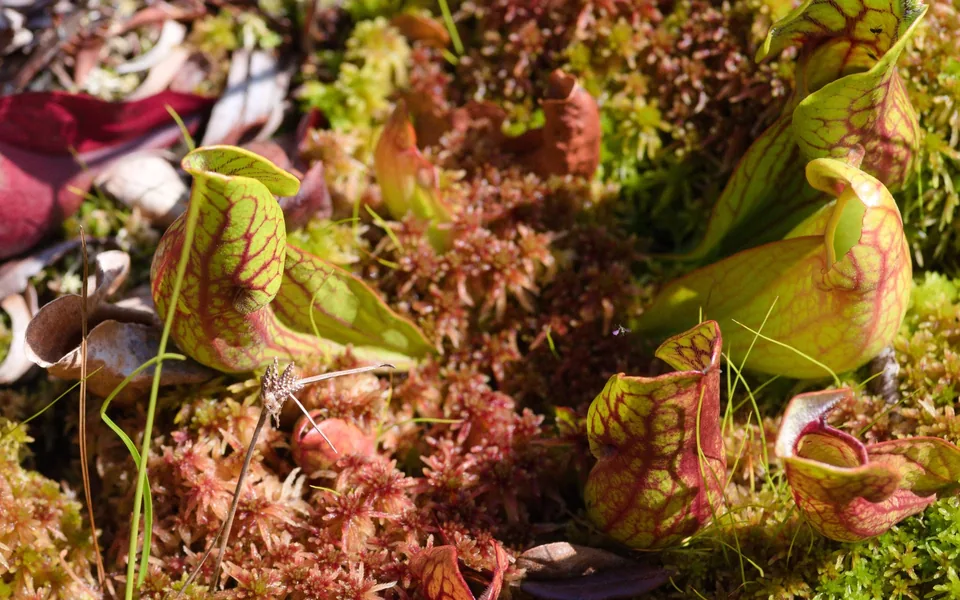
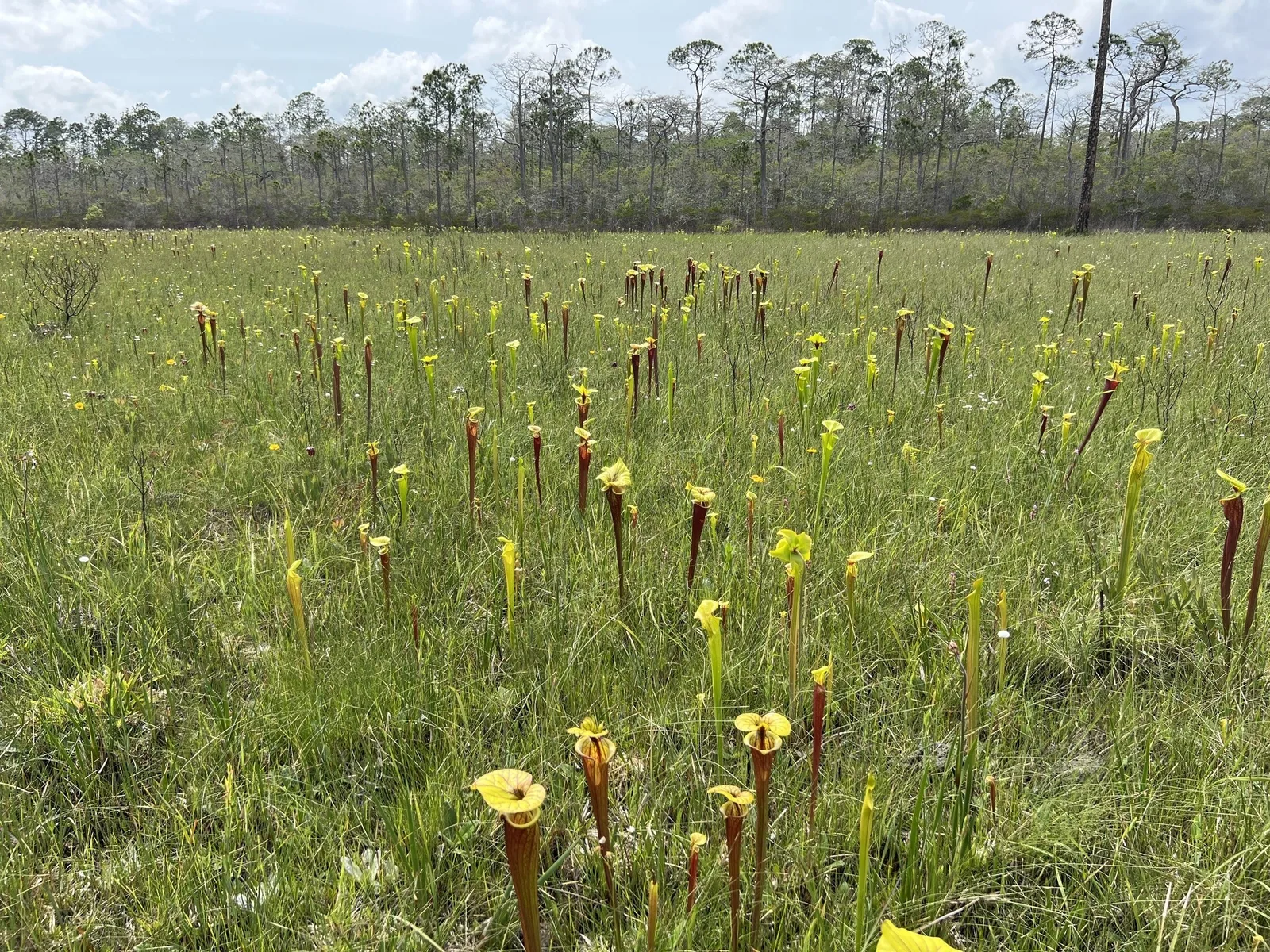
Sarracenia, the trumpet pitcher plants, are native to bogs across the eastern United States, and they are gorgeous: tall, upright pitchers veined in red, purple, yellow, and white, often topped with a decorative hood. Bugs are lured by nectar, fall in, and can’t climb back out. They’re tougher than Venus flytraps but have one big requirement: sun, and lots of it.
Where to put it (light)
Full, direct sun, 6–8+ hours. This is the deal-breaker. Indoors, that means a very sunny south window or, more realistically, a strong grow light. In weak light the pitchers turn floppy and green and eventually the plant fades. Many people grow them on a sunny patio or in an outdoor bog container.
Temperature
Growing season: 70–90°F (21–32°C). Like the flytrap, it requires a winter dormancy of 3–4 months at 35–50°F (2–10°C). Most species are frost-hardy when dormant. A cold garage, unheated porch, or the fridge (bagged, with damp moss) works.
Watering
Distilled, rain, or RO water only. Use the tray method: keep the pot standing in 1–2 inches of water during the growing season. Reduce to just damp during dormancy.
Feeding
No fertilizer. Outdoors or on a windowsill it catches plenty on its own. Indoors, drop the occasional insect or a few fish food pellets into a pitcher. That’s it.
Soil
1:1 sphagnum peat moss and perlite (or silica sand), zero added nutrients. Plastic pots preferred. No regular potting soil, ever.
Humidity
Not fussy; 40–60% is fine. Full sun and wet feet matter far more than humidity.
Common pests
Aphids, thrips, scale, and mealybugs, plus fungus gnats in the wet moss. Occasionally moth larvae bore into pitchers outdoors. Treat with insecticidal soap; cut off badly infested pitchers.
Propagation
Difficulty: Moderate. Rhizome division in late winter or early spring, just before growth resumes. Each section needs roots and a growth point. Seeds require cold stratification and years to mature.
Also worth knowing
Toxicity: non-toxic to pets. Mature size: 1–3 ft (30–90 cm) tall depending on species. Repot every 2 years. Cut off dead pitchers in late winter and keep the crown clean during dormancy.
Trim dead pitchers in late winter, give it a spring wake-up, and enjoy a plant that eats the flies before you have to.