Tillandsia: Air Plants Do Not, In Fact, Live on Air Alone
Soil-free air plants that absolutely do need care: a weekly soak, thorough drying, bright indirect light, and good airflow. The glass globe is the enemy.
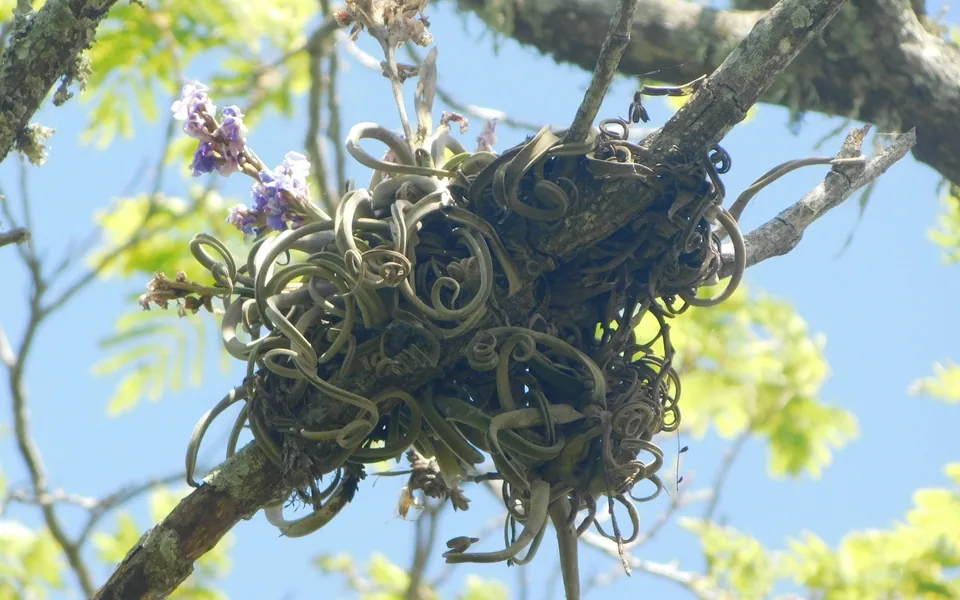
Air plants (Tillandsia) are epiphytes that grow without soil, clinging to trees and rocks in the wild and pulling water and nutrients through tiny scales on their leaves. They’re sold as “no-care” plants that live in cute glass globes. This is a lie that has killed millions of air plants. They need light, water, and airflow just like everything else. They just need it delivered differently.
Where to put it (light)
Bright, indirect or filtered light. Near an east window or a few feet from a south window. Fuzzy, silvery species (xeric types like T. xerographica and T. tectorum) can handle some direct sun; smooth, greener species (mesic types like T. cyanea and T. bulbosa) want it gentler.
Temperature
50–90°F (10–32°C), ideally 65–80°F (18–27°C). Protect from frost and from hot, dry air blowing from vents.
Watering
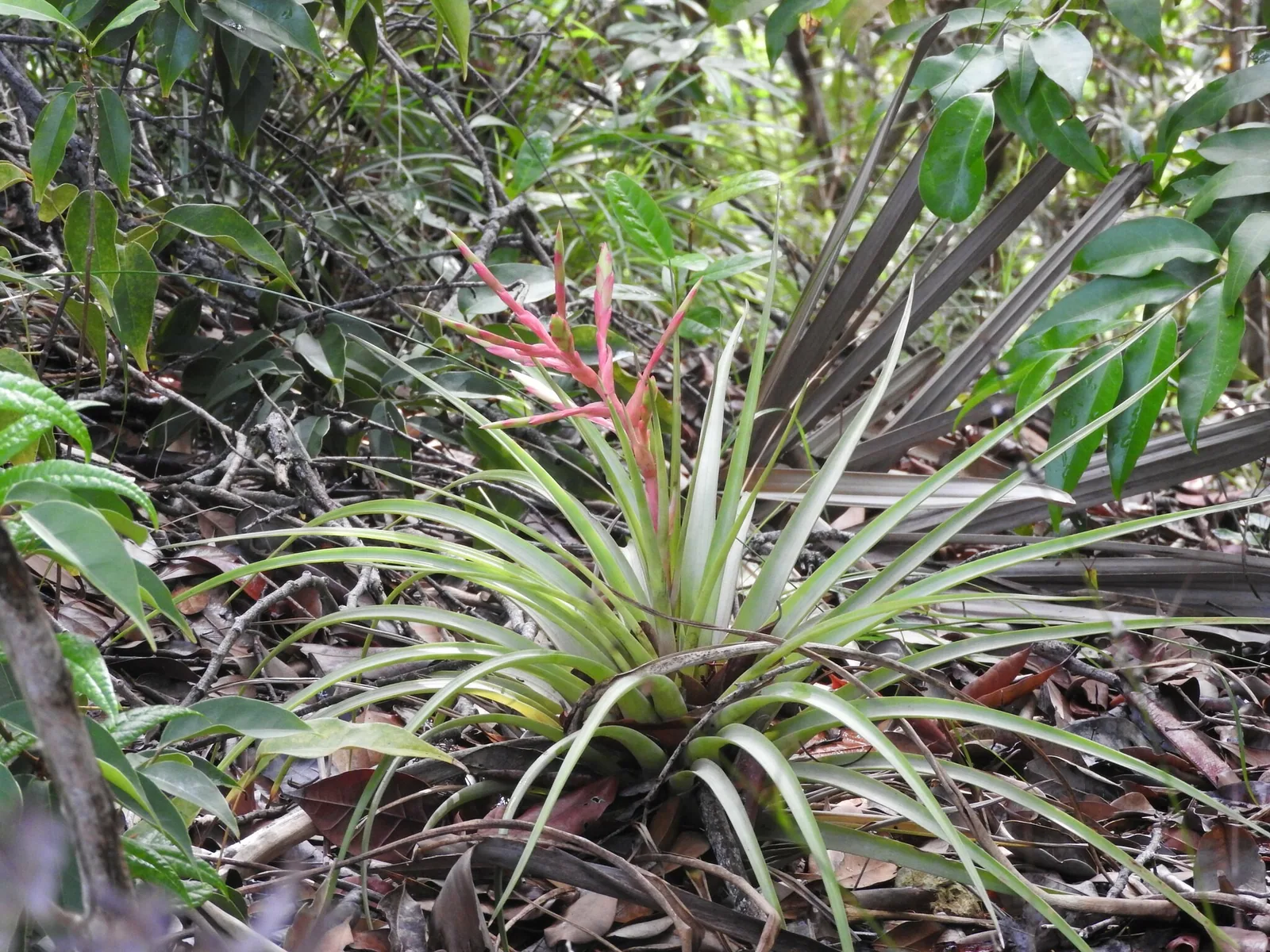
This is the part everyone gets wrong. Soak the whole plant in room-temperature water for 20–30 minutes once a week (or every 2 weeks for silvery, fuzzy types). Then, and this is crucial, shake it out and let it dry upside down within 4 hours. Water trapped in the base rots the plant from the inside. Mist between soaks in dry weather. Use rain, filtered, or tap water that’s sat out overnight; avoid softened water.
Feeding
A bromeliad or air plant fertilizer once a month, added to the soak water at quarter strength. Not more.
Soil
None. Mount it on driftwood, cork, or a wire holder, or set it in a dish. Never bury the base in soil or moss, which holds water and causes rot.
Humidity
50–70% keeps it happy. In dry homes, mist more often and consider a humidifier. Good airflow is just as important; sealed glass globes trap moisture and invite rot.
Common pests
Mealybugs and scale are the main ones; look for cottony tufts or bumps between the leaves. Rinse and treat with diluted insecticidal soap, then dry thoroughly.
Propagation
Difficulty: Easy. Pups. After flowering, the mother produces offsets at the base. Twist them off gently when they’re about one-third her size, or leave them attached to form a clump.
Also worth knowing
Toxicity: non-toxic to pets. Mature size: 2–12 in (5–30 cm) depending on species. No repotting; just re-mount if needed. Each plant flowers once in its life, then pups and slowly fades.
Each air plant flowers once, then produces “pups” and slowly fades. Twist the pups off when they’re a third the size of the parent, and the cycle continues.