Begonia Rex: Leaves Like Stained Glass, Temperament Like a Soap Opera
A rhizomatous begonia grown for spectacular stained-glass foliage. It wants bright indirect light, dry leaves, airy soil, and humidity with good airflow to avoid mildew.
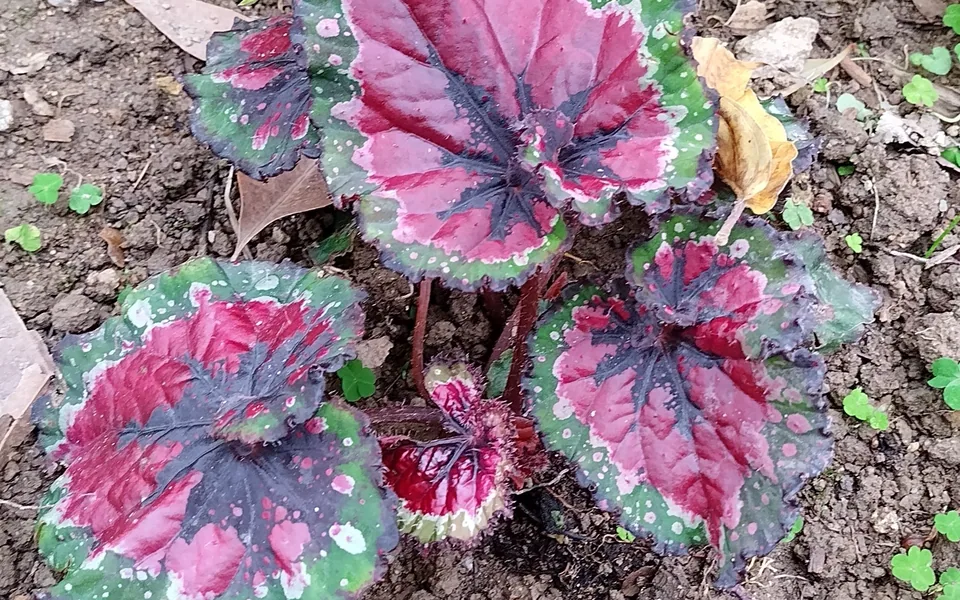
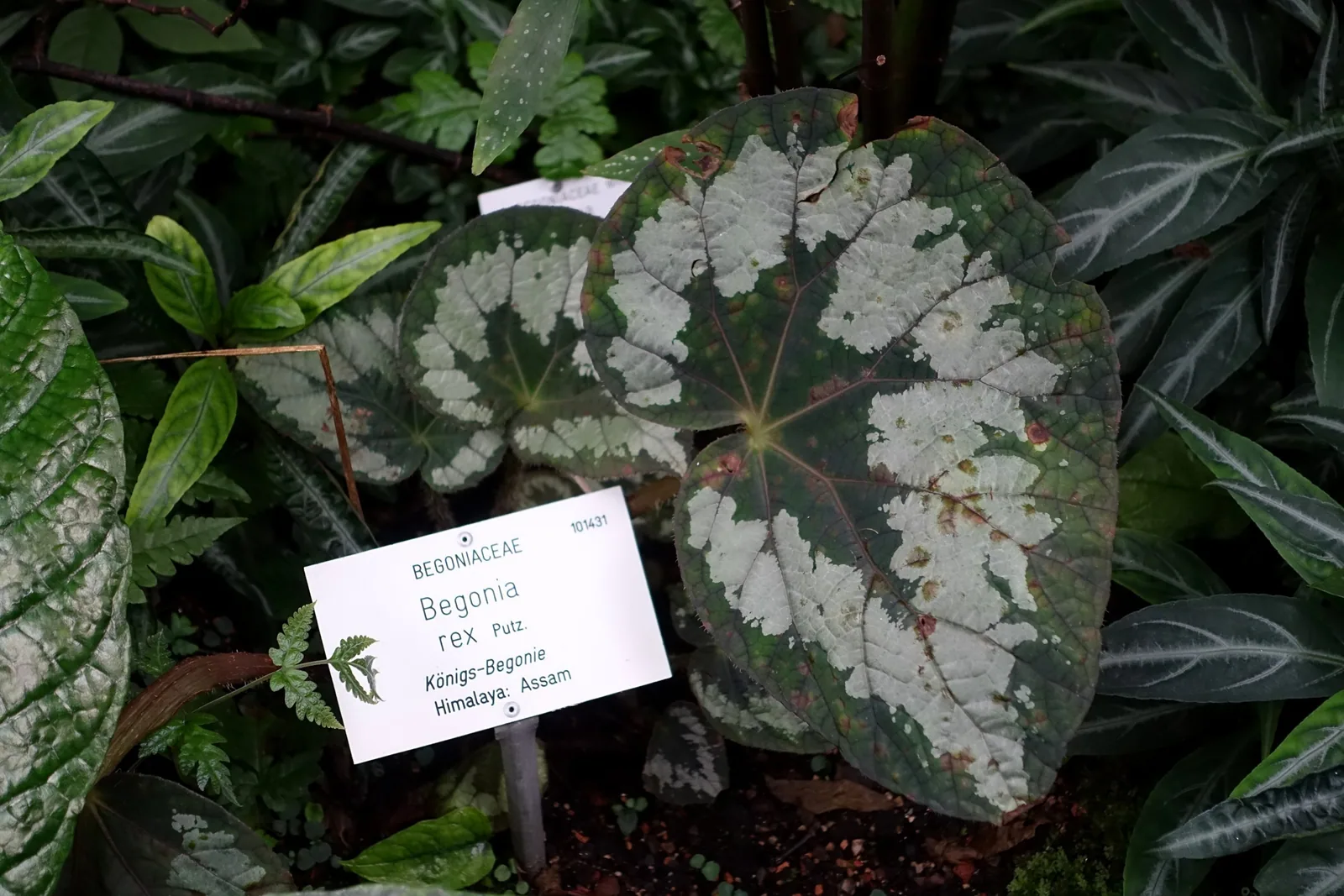
Rex begonias (Begonia rex-cultorum) are grown purely for their leaves, and what leaves they are: swirls, spirals, and splashes of silver, purple, burgundy, pink, and green, often with a metallic sheen. Thousands of cultivars exist and no two look alike. They’re also known to sulk, drop leaves, go dormant, and catch powdery mildew if you look at them funny. Worth it? Absolutely. Easy? Absolutely not.
Where to put it (light)
Bright, indirect light. East windows are perfect. Too little light dulls the colors; direct sun scorches and bleaches. Fluorescent or LED grow lights work well, and rex begonias are popular under lights for this reason.
Temperature
60–75°F (16–24°C). It dislikes heat above 80°F (27°C) and cold below 55°F (13°C). Avoid drafts and vents. Cool, dark winters can trigger dormancy: leaves die back, rhizome lives. Reduce water and wait.
Watering
Water when the top inch of soil is dry. It’s prone to rot, so lean slightly dry. Water at the soil level and keep the leaves dry; wet foliage invites mildew and rot. Use room-temperature water.
Feeding
Every 2–4 weeks in spring and summer with a balanced liquid fertilizer at quarter to half strength. None in winter.
Soil
A light, airy, fast-draining mix: potting soil with lots of perlite and some orchid bark or coco coir. It grows from a shallow rhizome, so use a wide, shallow pot.
Humidity
50–60% is ideal, but with excellent airflow. Do NOT mist the leaves. Use a humidifier or pebble tray, and keep a small fan moving air in the room if you can.
Common pests
Mealybugs, aphids, whiteflies, thrips, and spider mites. The bigger problems are powdery mildew and botrytis (gray mold), both fungal and both encouraged by wet leaves and stagnant air. Remove affected leaves immediately.
Propagation
Difficulty: Moderate. Leaf cuttings. Lay a healthy leaf on moist mix, pin it down, and cut across the main veins; plantlets sprout at the cuts in 4–8 weeks under humid conditions. Rhizome division also works at repotting.
Also worth knowing
Toxicity: toxic to cats and dogs if chewed. Mature size: 12–18 in (30–45 cm). Repot every 1–2 years in a shallow pot. Winter dormancy is normal; reduce water and wait for spring.
Propagate from a single leaf pinned to moist soil. Toxic to pets if chewed. Keep it out of reach and out of the draft.