Maidenhair Fern: The Most Beautiful Plant That Will Ever Break Your Heart
A delicate, lace-like fern that crisps the moment its soil dries. It needs constantly moist soil, indirect light, cool temperatures, and humidity above 60%.
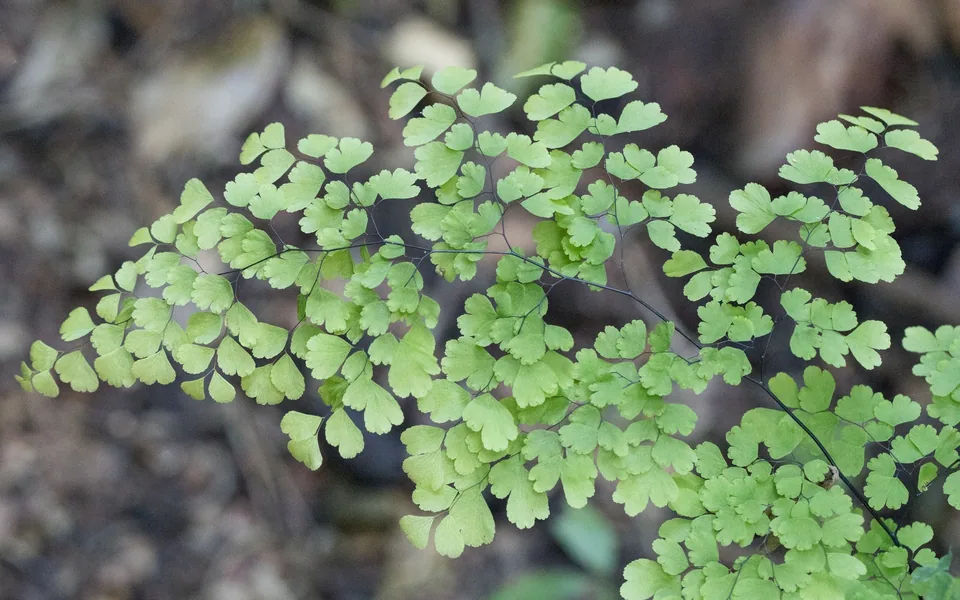
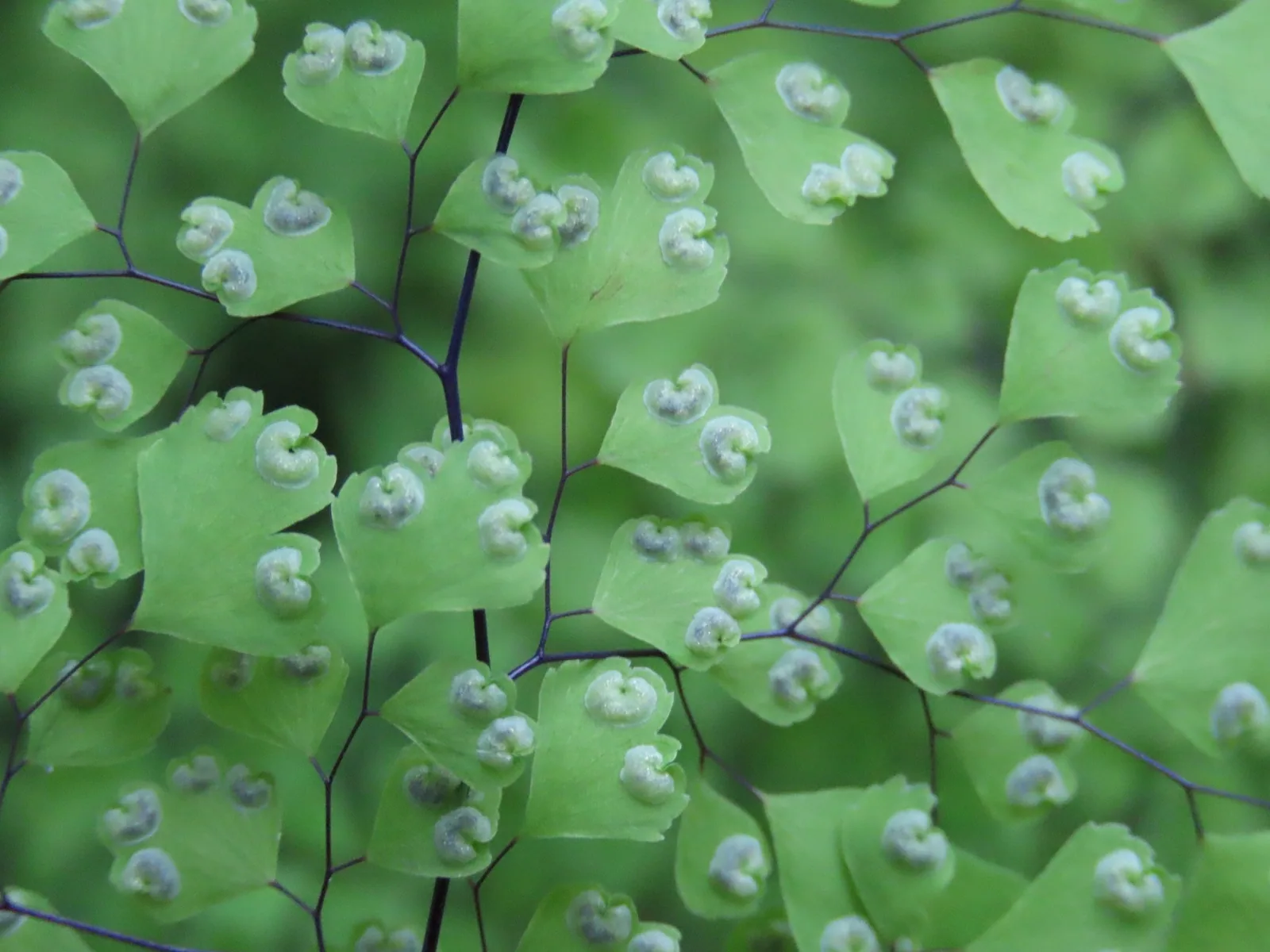
Adiantum, the maidenhair fern, has delicate fan-shaped leaflets on thin, glossy black stems, and it looks like green lace floating in midair. It is also the plant most likely to go from “stunning” to “crispy brown tumbleweed” in a single missed watering. If you can keep a maidenhair fern alive for a year, you can legitimately put “plant expert” on your résumé.
Where to put it (light)
Medium to bright, indirect light. North or east windows, or a spot with sheer-filtered light. Direct sun scorches the fronds in an afternoon. Too dark and it thins out.
Temperature
60–75°F (16–24°C). It dislikes heat, cold, and drafts equally. Keep it away from radiators, AC, and doors.
Watering
Keep the soil evenly and constantly moist, never soggy, never dry. Check it every day or two. If it dries out, the fronds crisp and die, but the crown may survive: cut everything back, keep it moist, and wait for new growth. Use filtered or rain water if your tap is hard.
Feeding
Monthly in spring and summer with a balanced liquid fertilizer at quarter strength. Fertilizer burn is real for this one.
Soil
A rich, moisture-retentive, well-draining mix: peat or coir, potting soil, and perlite. Some growers add a little crushed limestone since many species like slightly alkaline soil.
Humidity
60% or higher, ideally more. This is the number one care factor. A bright bathroom, a terrarium, a cloche, or a humidifier right next to it. Misting helps a little but isn’t enough on its own.
Common pests
Scale, mealybugs, aphids, and spider mites. It’s sensitive to many pesticides, so use diluted insecticidal soap and rinse well, or simply cut off affected fronds.
Propagation
Difficulty: Moderate to hard. Division in spring: separate the rhizome clump into sections with fronds and roots, and keep them very moist and humid until established. Spores are possible but slow and fiddly.
Also worth knowing
Toxicity: non-toxic to cats and dogs. Mature size: 1–2 ft (30–60 cm). Repot every 1–2 years. If it dries out and crisps, cut all fronds to the base and keep watering; it often regrows.
Once it’s settled, resist moving it. Maidenhairs hate change almost as much as they hate dry air.