Alocasia Amazonica: Gorgeous, Dramatic, and Occasionally Impossible
A striking, high-drama aroid with glossy veined leaves that demands warmth, bright indirect light, chunky soil, and humidity above 60%. Expect it to shed a leaf for every new one.
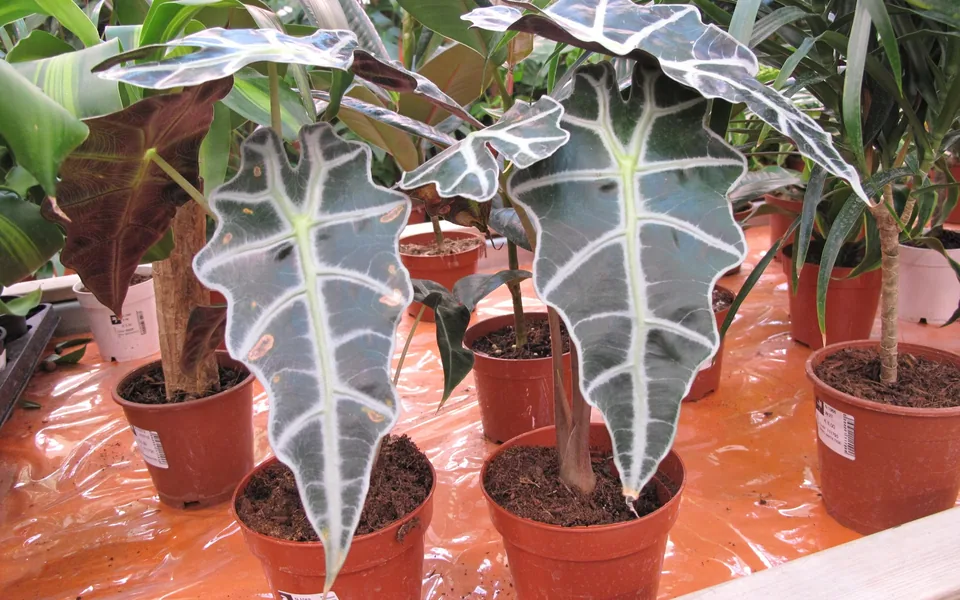
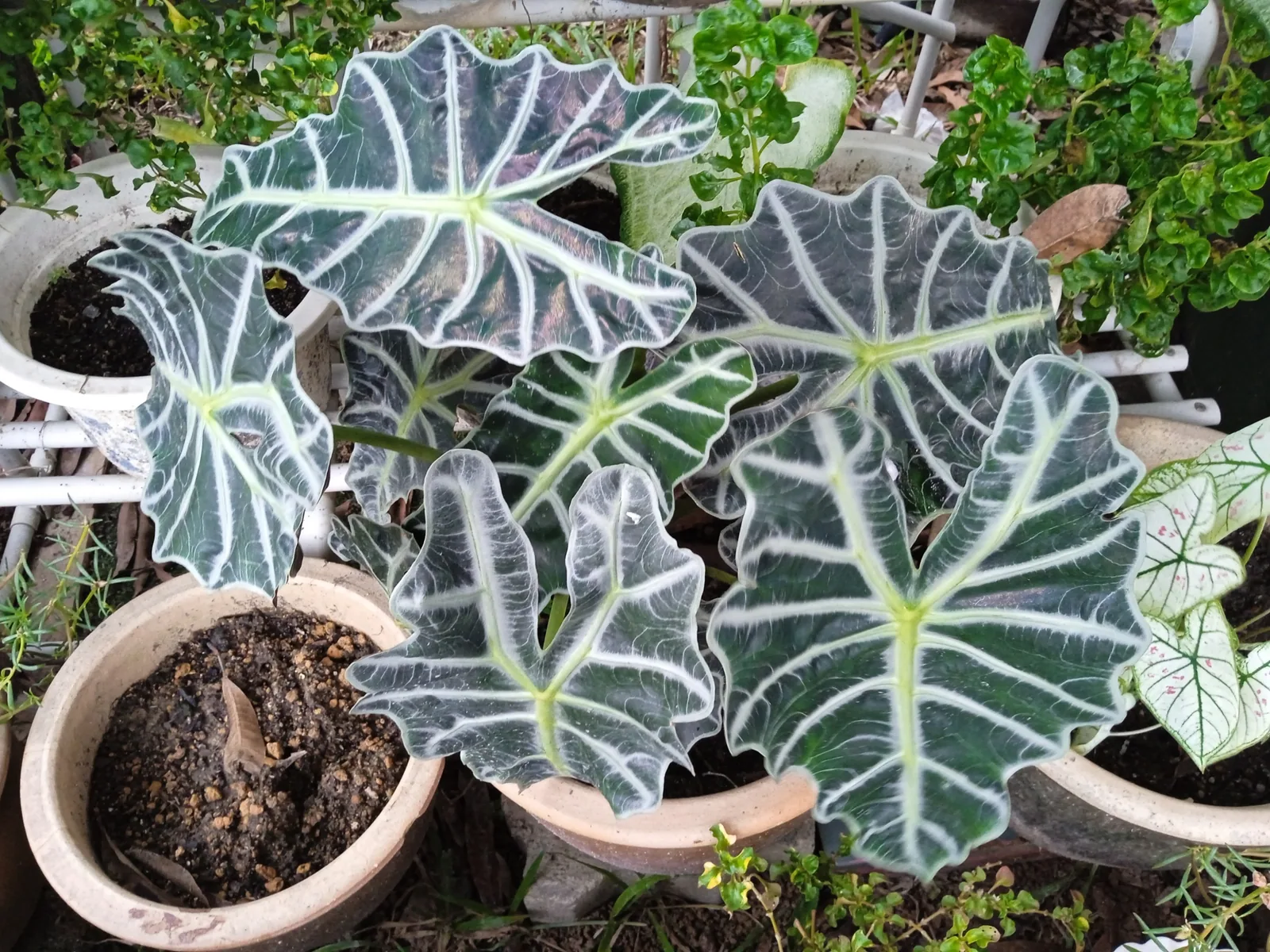
The Alocasia × amazonica (a.k.a. Alocasia “Polly” or African mask plant) has glossy, arrow-shaped leaves with electric white veins and a purple underside. It looks like it belongs in a fashion editorial. It also behaves like it belongs in a fashion editorial: sensitive, particular, and prone to dropping a leaf if you look at it wrong. Fair warning: it’s normal for it to sacrifice an old leaf every time it pushes a new one.
Where to put it (light)
Bright, indirect light. An east window or a few feet back from a south window with sheer curtains. Direct sun scorches the leaves; low light makes it drop leaves and go dormant. A grow light is a great insurance policy.
Temperature
Warm and steady: 65–80°F (18–27°C). Below 60°F (16°C) it starts to sulk, and cold drafts can send it into dormancy (all leaves gone, tuber alive). If that happens, keep it warm and barely watered and it often comes back.
Watering
Keep the soil lightly moist, watering when the top 1–2 inches dry out. It hates soggy soil (root rot is its nemesis) but also hates drying out completely. In winter, water much less.
Feeding
Feed every 2–4 weeks in spring and summer with a balanced liquid fertilizer at half strength. None in winter.
Soil
A chunky, airy, well-draining aroid mix: potting soil with plenty of perlite, orchid bark, and a bit of coco coir. Air around the roots is the goal.
Humidity
This plant wants 60% or higher. Dry air brings brown crispy edges and invites spider mites. A humidifier is the most reliable solution; a pebble tray helps a little.
Common pests
Spider mites are practically guaranteed in dry air. Also mealybugs, aphids, and scale. Inspect leaf undersides weekly and wipe leaves with a damp cloth to keep both dust and mites at bay.
Propagation
Difficulty: Moderate. Division of offsets or corms. When repotting, look for baby plants or small bulb-like corms in the soil; pot them in moist sphagnum or aroid mix in a warm, humid spot (a clear bag helps) until leaves appear.
Also worth knowing
Toxicity: toxic to cats, dogs, and people if chewed. Mature size: 1–2 ft (30–60 cm). Repot every 1–2 years. Dormancy in winter is normal; keep the corm barely moist and warm and it usually returns in spring.
It’s a lot of work. It’s also one of the most striking plants you can own. Choose your own adventure.