Succulents: Tiny, Tough, and the Reason You Have 47 Pots on One Windowsill
A whole lifestyle of water-storing plants, from echeveria to jade. Bright direct light, gritty fast-draining soil, and soak-and-dry watering keep them compact and healthy.
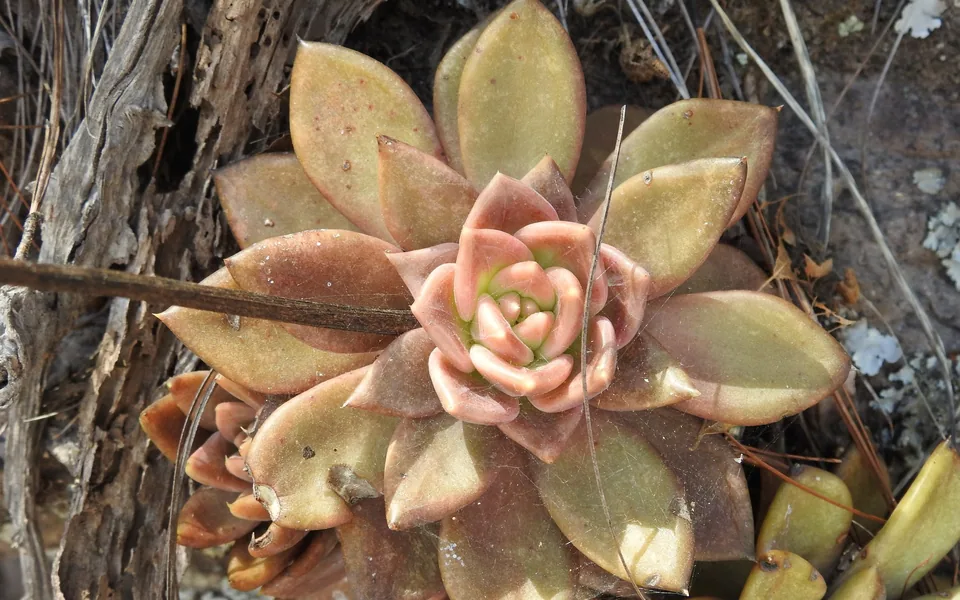
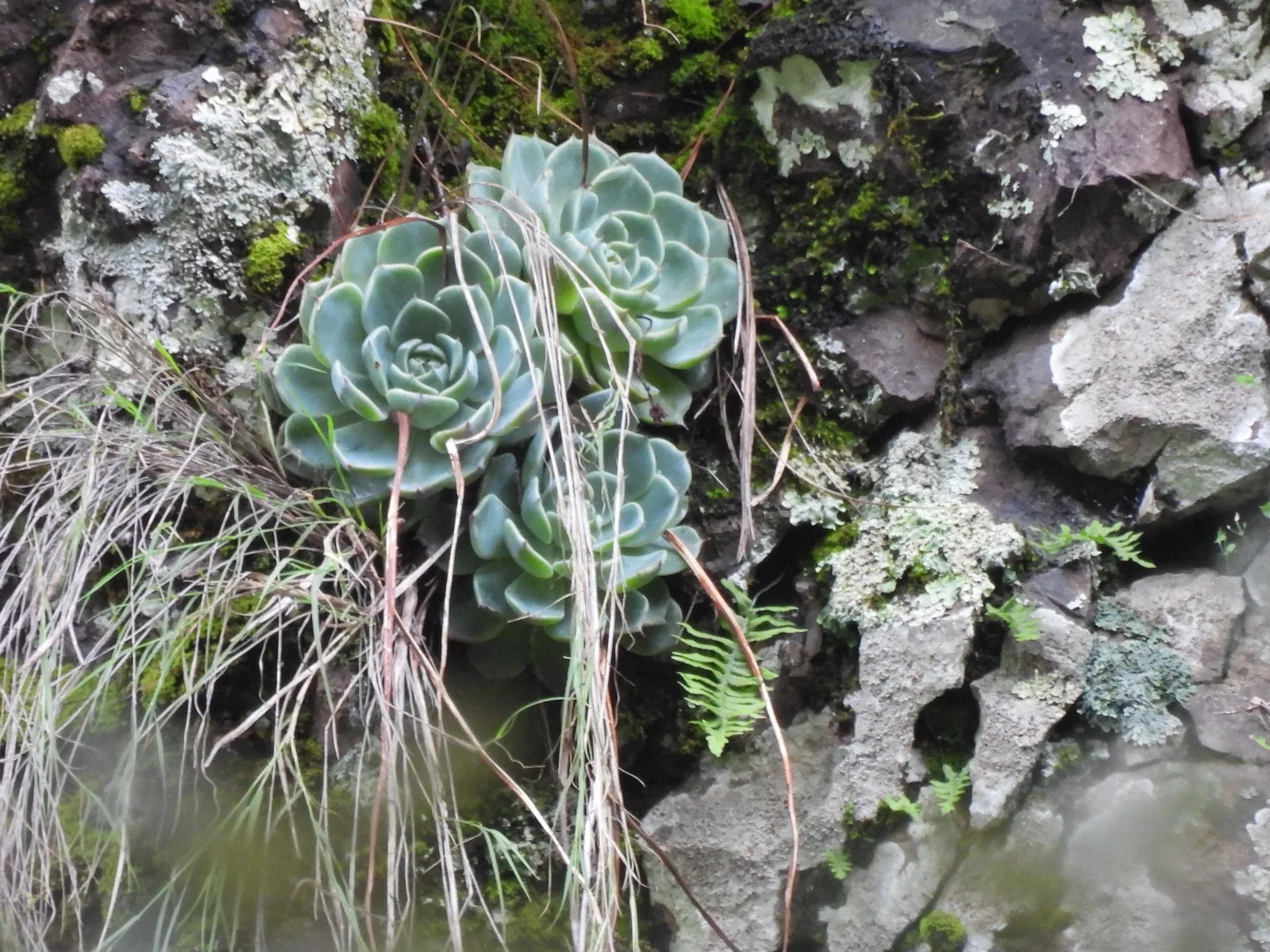
“Succulent” isn’t a family so much as a lifestyle: plants from many groups (echeveria, haworthia, sedum, crassula/jade, sempervivum, kalanchoe, and more) that store water in thick, fleshy leaves or stems. They come in rosettes, trailing strands, chubby paddles, and bizarre lithops “living stones.” They’re famous for being easy, and they are, provided you resist the urge to fuss over them.
Where to put it (light)
Bright light with several hours of direct sun for most types (echeveria, sedum, jade, sempervivum). A south or west windowsill. Haworthia and gasteria are exceptions that prefer bright, indirect light. Too little light causes stretching and pale, spaced-out leaves that never recover.
Temperature
Most are comfortable at 60–85°F (16–29°C) and handle heat well. Many tolerate down to 40°F (4°C) if dry, but keep them frost-free unless you know the species is hardy.
Watering
Soak and dry. Water thoroughly, then let the soil dry out completely, usually every 1–3 weeks in summer and monthly in winter. Wrinkled leaves = thirsty. Mushy, translucent, or dropping leaves = drowning. When in doubt, wait.
Feeding
Minimal: a diluted succulent fertilizer 2–3 times in spring and summer. None in winter.
Soil
Gritty, fast-draining succulent/cactus mix, ideally with extra pumice or perlite. Terracotta pots with drainage holes are ideal. Those cute glass containers with no drainage? Decorative only, unless you want mush.
Humidity
Low. Dry air is their happy place. Keep them out of steamy bathrooms and away from misters.
Common pests
Mealybugs (the classic white fuzz in the rosette centers), aphids, scale, fungus gnats (in wet soil), and occasionally spider mites. Rubbing alcohol on a cotton swab is the go-to fix for mealybugs.
Propagation
Difficulty: Very easy. Leaf cuttings for echeveria, sedum, jade, and similar: twist off a whole leaf, let it dry a few days, lay it on dry succulent mix, and wait for roots and a baby rosette. Offsets and stem cuttings also work.
Also worth knowing
Toxicity: most are pet-safe, but jade, kalanchoe, and some euphorbias sold as succulents are toxic. Mature size: varies. Repot every 1–2 years. Remove dead lower leaves to prevent pests.
Most succulents propagate from a single leaf laid on dry soil. This is how one plant becomes 47. We did warn you in the title.