Cacti: The Spiky Roommates Who Think Your Care Is Suffocating
Sun-loving desert plants that want full light, gritty soil, dry air, and watering only when the soil is completely dry. Overwatering is the one way to kill them.
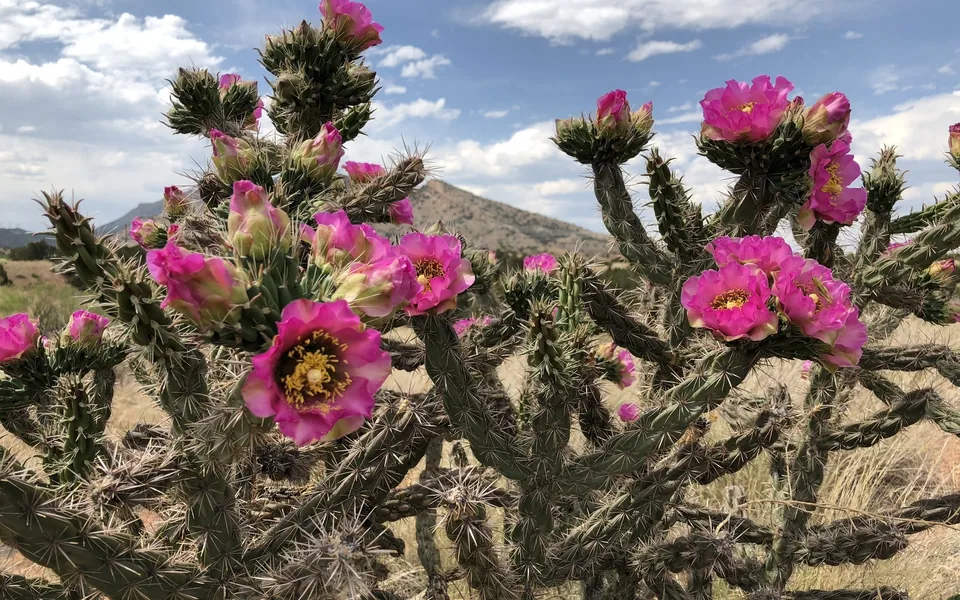
There are about 1,750 species of cactus, from tiny golf-ball-sized specimens to towering saguaros, but the ones you’ll find at the garden center (mammillaria, echinopsis, opuntia, gymnocalycium, and the like) share a common philosophy: leave me alone. If you’ve killed plants by loving them too much, a cactus is your redemption arc.
Where to put it (light)
Bright, direct sun for most desert cacti: a south- or west-facing windowsill with 4–6+ hours of sun. Not enough light causes “etiolation,” where the cactus stretches into a weird, pale, skinny version of itself that never recovers. Rotate the pot occasionally so it grows straight. (Note: jungle cacti like Christmas cactus prefer bright indirect light.)
Temperature
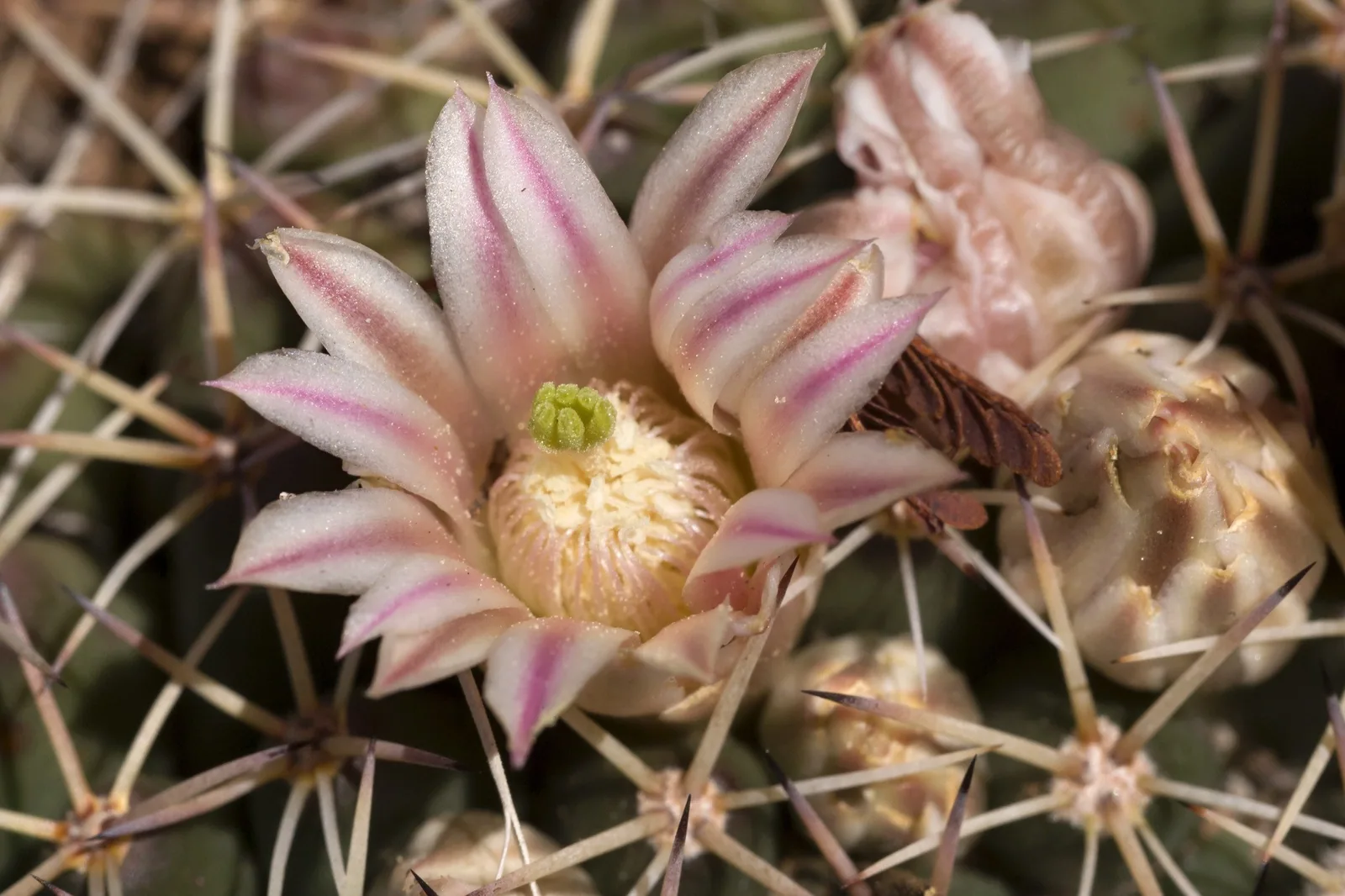
Warm days of 70–95°F (21–35°C) are no problem. Many desert cacti actually appreciate a cooler, drier winter rest at 45–55°F (7–13°C), which encourages flowering in spring. Protect from frost unless the species is known to be hardy.
Watering
Soak, then let it dry completely. In the growing season (spring through early fall) that may mean every 2–4 weeks. In winter, once a month or not at all. Overwatering is the number one cactus killer: a soft, brown, or translucent base means rot.
Feeding
Light. A diluted cactus fertilizer 2–3 times during spring and summer is plenty. Nothing in winter.
Soil
Fast-draining cactus/succulent mix, ideally amended with extra pumice or coarse sand. Unglazed terracotta pots help the soil dry faster. Drainage hole: mandatory.
Humidity
Low. Average or dry household air is ideal. Bathroom cacti are sad cacti.
Common pests
Mealybugs (white cottony tufts, often at the base or between ribs), scale, and spider mites. Root mealybugs can hide in the soil. Treat with rubbing alcohol on a swab or insecticidal soap; check any new cactus carefully before bringing it home.
Propagation
Difficulty: Easy to moderate. Offsets (pups) for clumping types: twist or cut off, let the wound dry a few days, and set on dry cactus mix. Pad cuttings for opuntia. Seeds are slow but rewarding.
Also worth knowing
Toxicity: most common cacti are non-toxic, but spines cause injury. Mature size: varies widely. Repot every 2–4 years using tongs or folded newspaper. Many bloom after a cool, dry winter rest.
Handle with folded newspaper or tongs when repotting. Your fingers will thank you.